
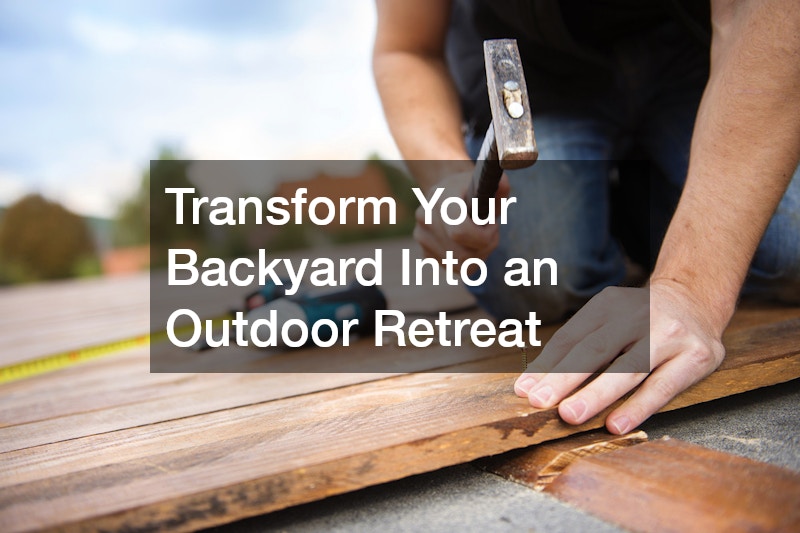
A Better Outdoor Space Starts With Purpose
A backyard can be much more than an open patch of grass. With the right plan, it can become a peaceful place to unwind, a comfortable setting for family meals, or a welcoming space for weekend gatherings. The best outdoor retreats are not built around random upgrades. They are designed around how people actually live, relax, cook, entertain, and spend time outside.
Before making changes, think about what the space needs to do. Some homeowners want a quiet escape with shade and privacy. Others want a lively area with seating, cooking space, open lawn, and room for guests. Families may need flexible areas for children, pets, and everyday use. A clear purpose helps guide every decision, from layout and materials to lighting and long-term maintenance.
Budget and timing also matter. A full backyard renovation can be completed in phases, which helps control costs and reduce stress. Start with the most important structural and functional improvements, then add comfort, style, and specialty features over time. A thoughtful approach creates a backyard that feels beautiful, practical, and enjoyable for years.
Start With a Thoughtful Layout That Fits Your Lifestyle
The first step in creating an outdoor retreat is deciding how each part of the yard should function. A well-planned backyard should have clear zones for relaxing, dining, entertaining, gardening, and open movement. Without a layout, even expensive upgrades can feel disconnected. Good landscape design helps organize the space so every feature has a purpose and every area feels easy to use.
Start by observing how the sun moves across the yard, where water collects after rain, which areas feel most private, and where views are strongest. These details can help determine where to place seating, walkways, plants, and gathering spaces. A dining area may work best near the house, while a quiet seating area may feel better in a shaded corner. If the yard is used often at night, paths and seating should be arranged with lighting in mind.
Hardscaping adds structure and helps make the backyard more functional. Patios, walkways, retaining walls, fire pit areas, borders, and built-in seating can define spaces and reduce wear on the lawn. The key is balance. Too much paved surface can make a yard feel harsh, while too little can leave the space muddy or difficult to navigate. Materials should match the home’s style and the amount of maintenance the homeowner is willing to handle.
Think ahead before construction begins. Even if a feature will not be added right away, the layout should leave room for future upgrades such as an outdoor kitchen, pergola, water feature, or spa area. Planning these possibilities early can prevent costly changes later. Conduit, drainage, lighting, and access routes are much easier to plan before patios and planting beds are installed.
A thoughtful layout also improves comfort. Walkways should feel natural, seating should have enough space around it, and transitions between zones should be smooth. When each area connects well, the backyard feels less like a collection of projects and more like a complete outdoor living space.
Build a Healthy Lawn That Complements the Space
A beautiful backyard retreat needs a strong foundation, and the lawn often plays a major role. Even when patios, planting beds, and seating areas are added, a healthy stretch of grass can soften the design and provide open space for pets, children, games, and casual gatherings. The goal is not always to have the biggest lawn, but to have one that fits the overall plan and stays usable through the seasons.
Start by evaluating the current condition of the grass. Look for thin patches, weeds, compacted soil, standing water, discoloration, or areas that wear down quickly. These issues often point to deeper problems, such as poor drainage, low soil nutrients, too much shade, or improper mowing habits. A lawn care plan should begin with soil health, because grass will struggle if the soil cannot support strong roots.
Seasonal maintenance is also important. Mowing height, watering schedules, aeration, overseeding, fertilization, and weed control all affect how the yard looks and performs. Homeowners should adjust maintenance based on climate, grass type, and the amount of foot traffic in the backyard. A lawn that supports regular entertaining may need more attention than one that is mostly decorative.
Lawn treatment can help address specific problems such as weeds, disease, pests, or nutrient deficiencies. However, treatments should be chosen carefully. Applying products without understanding the cause of the problem can waste money or damage the turf. In many cases, testing the soil and identifying the issue first leads to better results. A healthy lawn is easier to maintain, more resistant to stress, and better able to recover from heavy use.
It is also helpful to design around the lawn’s limits. Areas under dense shade or near high-traffic walkways may not support grass well. In those spots, mulch, stepping stones, ground cover, or planting beds may be more practical. The best outdoor retreat combines beauty with realistic maintenance, so every part of the yard has a purpose and can be cared for properly.
Keep Your Landscape Thriving With Efficient Water Management
Water management can determine whether a backyard retreat stays healthy or becomes difficult to maintain. Too little water can stress grass and plants, while too much can cause disease, erosion, muddy areas, and wasted resources. A smart watering plan keeps the yard attractive while helping homeowners avoid unnecessary work and expense.
A sprinkler system can make watering more consistent and efficient when it is designed for the specific yard. Different areas may need different amounts of water. Grass, shrubs, flower beds, young trees, and container plants do not all have the same needs. Dividing the yard into zones allows each area to receive the right amount of water at the right time. This can reduce waste and help plants grow stronger.
Timing matters as much as the amount of water used. Early morning watering is often better because it gives moisture time to reach the roots while reducing evaporation. Watering late in the evening can leave plants damp overnight, which may increase the risk of disease in some conditions. Homeowners should also adjust watering schedules during rainy periods, drought conditions, and seasonal temperature changes.
Lawn spraying may be part of a broader maintenance plan when pests, weeds, or disease threaten the landscape. Like any treatment, it should be used thoughtfully and according to the needs of the yard. Overuse can create problems, while targeted applications can protect the turf and surrounding plants. Homeowners should understand what is being applied, why it is needed, and how it fits into the overall care plan.
Drainage should not be overlooked. If water pools near patios, foundations, planting beds, or low areas of the yard, the design may need grading improvements, drains, dry creek beds, or more absorbent planting areas. A backyard retreat should remain comfortable after rain, not become a muddy space that cannot be used.
Regular inspections help keep irrigation and drainage working properly. Broken sprinkler heads, clogged nozzles, leaks, poor coverage, or overspray onto patios can waste water and damage the design. Checking the system seasonally helps protect both the landscape and the renovation investment.
Add Shade, Privacy, and Lasting Beauty With Trees

Trees can change the entire feeling of a backyard. They provide shade, privacy, texture, seasonal color, wildlife habitat, and a sense of permanence. When placed correctly, trees can make a yard feel cooler, more private, and more comfortable for relaxing or entertaining. However, choosing the wrong tree or planting it in the wrong location can create problems for years.
A tree planter can help select species that fit the property’s size, soil, sunlight, and climate. This matters because a small young tree may eventually grow much larger than expected. Homeowners should consider mature height, canopy spread, root behavior, leaf drop, maintenance needs, and distance from the home, fences, patios, and utility lines. The right tree should improve the yard without causing future damage or crowding.
Shade is one of the biggest benefits. A tree placed near a seating area can make summer afternoons more comfortable, while trees along property lines can soften views and create a natural screen. For privacy, evergreen trees may provide year-round coverage, while deciduous trees may offer shade in summer and sunlight in winter. Mixing plant types can create a more layered and attractive design.
A tree service can also help maintain existing trees before or after a backyard renovation. Pruning, health inspections, removal of unsafe branches, disease management, and structural care are important when trees are close to gathering areas. A mature tree can be a valuable feature, but only if it is healthy and safe. Before building patios, seating areas, or other features near existing trees, homeowners should understand root zones and avoid damaging them.
Tree placement should be part of the full backyard plan. Trees can frame a view, anchor a garden bed, shade a dining area, or separate one outdoor zone from another. They should not feel like afterthoughts. When trees are chosen and placed carefully, they add long-term beauty and make the outdoor retreat feel more natural and complete.
Create the Perfect Backyard Escape for Relaxation
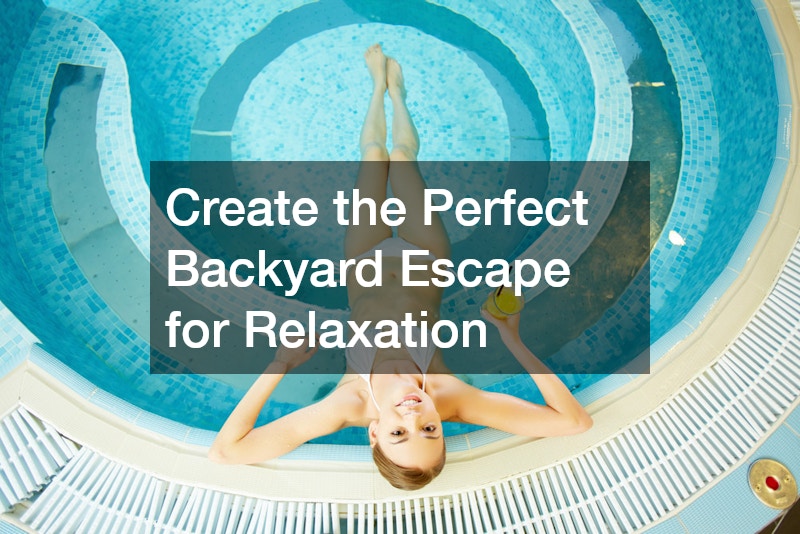
A true outdoor retreat should include a place where people can slow down and relax. For some homeowners, that may be a shaded lounge area. For others, it may include a hot tub as a central comfort feature. Adding a spa can make the backyard feel more luxurious, but it requires careful planning so it fits the space, budget, and maintenance expectations.
Start by choosing the right location. The area should feel private, easy to access, and strong enough to support the weight of the unit when filled with water and people. It should also be close enough to the home for convenient use, especially in cooler weather. At the same time, placement should account for noise, drainage, electrical access, cover clearance, and nearby seating.
Hot tub dealers can help homeowners compare size, seating layout, energy efficiency, jets, controls, insulation, and maintenance requirements. Bigger is not always better. A smaller model may be more efficient and easier to maintain, while a larger one may be better for families or frequent entertaining. The best choice depends on how often it will be used and how many people will typically use it at once.
The surrounding design matters too. A spa placed in the middle of an empty patio may feel exposed or disconnected. Privacy screens, planters, pergolas, soft lighting, towel storage, slip-resistant surfaces, and nearby seating can make the area more comfortable and attractive. Good lighting is especially helpful for evening use, but it should be soft enough to maintain a relaxing atmosphere.
Maintenance should be part of the decision from the beginning. Water care, filters, covers, energy use, cleaning, and seasonal protection all affect the long-term cost of ownership. Homeowners should also plan safe steps or access points, especially if children or older adults will use the space. A relaxing backyard feature should be enjoyable, not stressful to maintain.
When planned well, this area can become the heart of the outdoor retreat. It gives the backyard a clear destination and creates a reason to spend more time outside throughout the year.
Build a Backyard That Feels Like an Everyday Escape
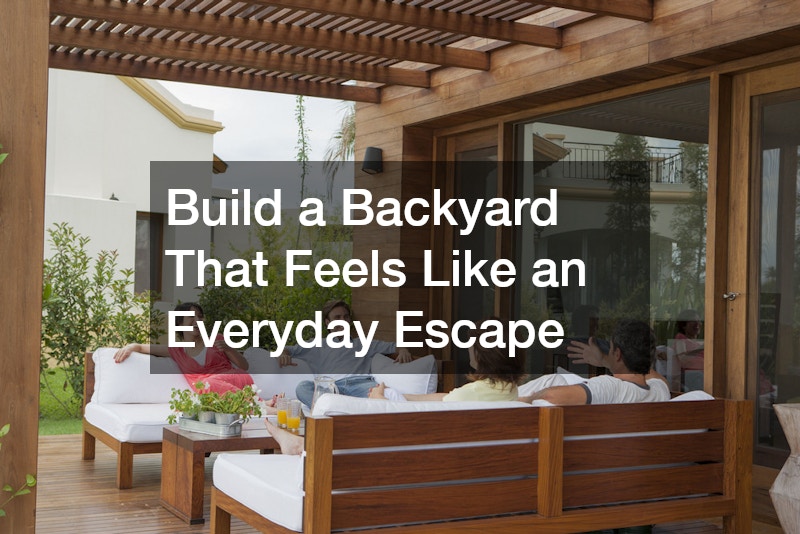
Transforming a backyard into an outdoor retreat works best when every decision supports comfort, function, and long-term enjoyment. A beautiful space is not created by one feature alone. It comes from the way the layout, greenery, surfaces, shade, water management, seating, and relaxation areas work together. When these pieces are planned carefully, the backyard becomes easier to use and more enjoyable in daily life.
The most successful projects start with the basics. Homeowners should understand how they want to use the space, what the yard currently needs, and which improvements will create the greatest impact. From there, the project can be completed in phases, allowing the design to grow without overwhelming the budget. Investing in the right foundation helps every future upgrade feel more intentional.
A backyard retreat should feel personal. It should reflect the household’s routines, style, and favorite ways to spend time outside. Whether the goal is quiet mornings, family dinners, weekend gatherings, or evening relaxation, a thoughtful renovation can turn an ordinary yard into one of the most loved areas of the home. With careful planning and smart choices, the finished space can provide comfort, beauty, and lasting value for years to come.