
Owning a home is often celebrated as a major personal and financial achievement. Beyond building equity and customizing interior living spaces to fit a family’s lifestyle, homeownership requires ongoing care, diligent monitoring, and proactive attention. Every property, regardless of its age or construction quality, experiences continuous daily wear and tear. Sun exposure degrades roofing materials, atmospheric humidity affects timber framing, soil moisture shifts against concrete foundations, and mechanical systems work continuously behind the scenes. Left unchecked, minor routine issues can quickly escalate into major structural problems or unexpected, high-cost repair bills that catch families unprepared.
Establishing a clear annual maintenance routine is the best long-term strategy to protect both property value and structural integrity. While routine cleaning keeps living areas looking tidy, a yearly audit systematically evaluates the primary systems that keep a household safe, energy efficient, and comfortable. From the concrete footings buried beneath the ground up to the roof ridge – and out across the back patio – every component plays a vital role in long-term building durability.
When homeowners consult with a home floor plans and designer during initial construction, room additions, or major remodeling projects, functional layout and structural logic take center stage. Preserving that original design integrity over many years requires regular inspections and timely upkeep. A structured yearly checklist breaks down complex home care into manageable steps that maintain safety, operating efficiency, and peace of mind year after year.
Structural Integrity, Foundations, and Outbuildings

A solid home relies entirely on the stability of its foundation and primary support framing. Continuous ground movement, seasonal moisture changes, and natural soil compaction exert hydrostatic pressure against concrete slabs, stem walls, and basement barriers. Homeowners should conduct a detailed walkthrough around the base of the house at least once a year. Look for fine hairline cracks, flaking concrete surfaces, or noticeable settling near porch supports and exterior corners. Small cosmetic fissures are common as concrete cures over time, but vertical or diagonal cracks wider than a quarter-inch often signal shifting subsoil that requires structural evaluation.
Auxiliary structures on the property require equal attention during an annual walkthrough. Detached workshops, guest quarters, tool sheds, and storage units undergo identical weathering forces as the main residence. Inspecting footings, joists, exterior siding, and wall framing of secondary buildings helps prevent dry rot, pest infestations, termite damage, and water intrusion from spreading unnoticed across the property. Engaging a professional shed builder for a structural checkup or customized storage upgrade ensures that auxiliary buildings meet local building codes, remain securely anchored, and stay safe against heavy wind loads.
Framing inspections should also extend into accessible crawlspaces, attics, and basements. Look for early signs of trapped moisture, such as white mineral deposits on concrete walls, musty odors, or sagging floor joists overhead. Correct surface drainage around the perimeter by regrading soil so it slopes away from foundation walls. Ensuring that downspouts discharge runoff at least five to six feet away from the base remains one of the simplest ways to avoid foundation settlement, basement dampness, and costly soil erosion.
Roof Maintenance, Flashing, and Gutter Protection
The roof serves as the home’s primary line of defense against harsh external weather. Direct sunlight, heavy rain, hail, freezing ice, and strong winds continuously stress roofing materials, leading to gradual wear over time. An annual roof assessment involves far more than simply glancing up from the driveway. Homeowners or qualified inspectors should check asphalt shingles, concrete tiles, or metal panels for curling edges, surface blistering, missing granules, rust patches, or loose fasteners. Damaged or displaced flashing around chimneys, skylights, and plumbing vents represents a common entry point for water leaks that destroy interior drywall and ceiling insulation.
After severe summer storms or high winter winds, underlying structural elements can become exposed without visible warning from ground level. Scheduling an annual review with licensed roofers provides a clear, reliable evaluation of roofing underlayment, decking integrity, and attic ventilation channels. Qualified professionals can safely navigate steep roof pitches, spot loose shingles, clear trapped debris, and replace worn rubber boots before water penetrates interior living spaces.
Directly connected to overall roof health is the property’s gutter and downspout system. Rain gutters capture thousands of gallons of water annually and direct it safely away from siding and foundation walls. When gutters become clogged with fallen autumn leaves, pine needles, and organic debris, water overflows down exterior walls, leading to rotten fascia boards, ruined soffits, and soil erosion. Cleaning gutters twice a year is important, but utilizing specialized gutter guard services can minimize debris accumulation and maintain continuous drainage. High-quality guard systems keep leaves out while allowing water to pass smoothly through channels, reducing dangerous ladder work for homeowners.
Climate Control, Ductwork, and Indoor Air Quality
Interior living comfort depends on the steady performance of heating, ventilation, and air conditioning equipment. These mechanical systems run for thousands of hours each year, filtering indoor air, managing moisture levels, and regulating room temperatures across changing seasons. Neglecting routine care causes lower energy efficiency, shortened equipment lifespans, higher monthly utility costs, and poor indoor air quality. Annual climate maintenance requires a practical balance of basic homeowner care and detailed professional servicing.
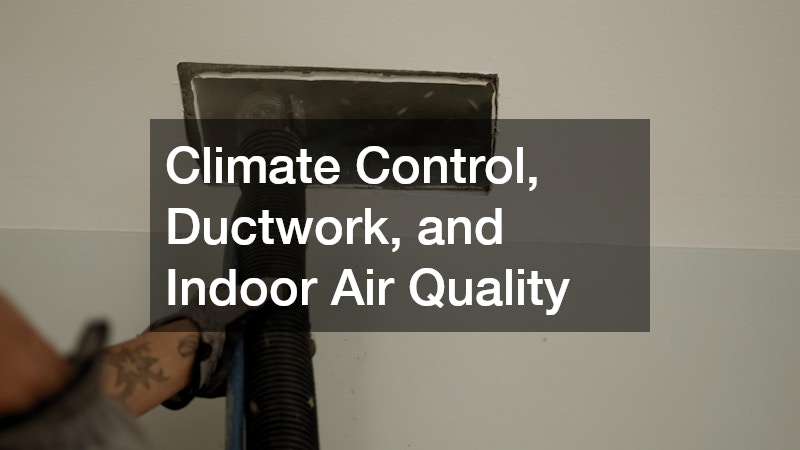
Air filters should be replaced every one to three months, depending on pet density, dust levels, and specific household needs. Clogged filters force mechanical blowers to work much harder, restricting airflow and increasing electrical usage unnecessarily. Clearing dust from supply registers and keeping return vents unblocked by heavy furniture allows balanced air circulation across every room. Checking ductwork in attics or basements for disconnected seams, loose tape, or crushed flexible sections also prevents conditioned air from leaking into unconditioned spaces like attics and crawlspaces.
DIY care covers basic surface needs, but complex mechanical components require professional oversight. Partnering with a reputable HVAC company for an annual tune-up keeps heating and cooling equipment running safely and efficiently year after year. Experienced technicians test refrigerant charge levels, calibrate digital thermostats, inspect electrical wiring, lubricate motor bearings, and clean evaporator and condenser coils thoroughly. During heating season checks, inspecting heat exchangers for micro-cracks is vital to prevent dangerous carbon monoxide leaks. Regular servicing lowers monthly energy bills and extends mechanical equipment life significantly.
Water Lines, Drainage, and Plumbing Infrastructure
Uncontrolled water damage ranks among the most frequent and expensive insurance claims facing homeowners today. Because much of a residential plumbing system remains hidden inside wall cavities and under subflooring, small leaks can persist for months before causing visible ceiling stains or floor warping. An annual plumbing checklist focuses on early leak detection, water pressure regulation, drain line maintenance, and supply line safety across every bathroom, kitchen, and laundry room in the house.
Inspect all visible supply lines connected to sinks, toilets, washing machines, and ice makers. Flexible braided stainless-steel hoses are much less likely to burst unexpectedly than older rubber hoses, which can dry out and crack under continuous household pressure over time. Check shut-off valves under sinks and behind toilets to confirm they turn smoothly without binding or dripping. Valves that freeze in place can turn a minor fixture repair into a major home flooding emergency.
Water pressure should be tested annually with a simple pressure gauge attached to an outdoor spigot. Normal residential water pressure should sit between 40 and 70 pounds per square inch. Excessively high water pressure places heavy stress on pipe joints, water heaters, and interior fixtures, causing premature leaks and noisy pipe banging. Hiring a qualified plumber to inspect main supply lines, clear slow-moving drains, test pressure-reducing valves, and flush water heater tanks removes sediment build-up that reduces thermal efficiency and damages internal tank linings.
Electrical Panels, Wiring Safety, and Power Distribution

Modern homes rely heavily on electricity, with high-end kitchen appliances, entertainment systems, home office setups, and electric vehicle chargers drawing power continuously throughout the day. An outdated or overloaded electrical system creates severe fire risks and can damage sensitive personal electronics. An annual electrical review ensures that power distribution across the home remains safe, balanced, and fully compliant with modern electrical codes and safety standards.
Test Ground Fault Circuit Interrupter (GFCI) and Arc Fault Circuit Interrupter (AFCI) outlets monthly, and perform a physical check of outlets and light switches once a year. Look for loose sockets, warm switch plates, faint buzzing noises, or discoloration around outlet covers, which indicate loose wire connections or internal arcing. Extension cords should never be used as permanent wiring solutions, as coiled or overloaded cords generate excessive heat and create serious fire hazards inside living spaces.
The true center of the household electrical system is the main breaker panel. Over time, wire connections inside the panel can loosen due to normal thermal expansion and contraction cycles. Hiring a certified residential electrician for an annual panel inspection is a critical safety step for every property owner. Electricians use specialized thermal tools to detect hidden hot spots, tighten terminal screws, verify grounding connections, test main breakers, and confirm circuit breakers match wire sizes. Professional oversight removes hidden electrical dangers, maintains reliable power flow, and prepares the home for future power demands.
Garages, Overhead Doors, and Enclosed Patio Spaces
Garages and outdoor transitional spaces serve as vital entry points for daily household routines and secure vehicle storage. Because an overhead garage door is typically the largest and heaviest moving mechanical component of a home, its performance requires regular annual attention. Moving parts undergo thousands of open-and-close cycles each year, causing gradual wear on high-tension springs, steel cables, tracking channels, hinges, and roller bearings.
A yearly inspection of the garage door system should examine auto-reverse safety sensors, door balance, track alignment, and overall panel condition. Testing safety sensors by placing a small wooden block in the door’s path verifies that the motor reverses direction upon contact, protecting family members, pets, and vehicles from accidental impact. While homeowners can apply silicone lubricant to tracks and rollers, repairing high-tension springs or lifting cables requires specialized tools and expertise. Scheduling expert garage door services ensures that dangerous spring tension is adjusted safely, preventing sudden mechanical failures that could cause physical injury or structural property damage.
In regions with active outdoor lifestyles, screened patio enclosures also require annual structural maintenance. A custom screen enclosure protects outdoor living areas from flying insects, falling leaves, and windblown debris while expanding usable living space. Yearly care includes inspecting screen spline tension, repairing torn mesh panels, tightening frame anchors, and clearing dirt from sliding door tracks. Keeping these enclosures maintained ensures outdoor living spaces remain functional, comfortable, and secure during heavy summer storms or seasonal weather events.
Swimming Pools, Hardscapes, and Outdoor Recreation

Outdoor recreational spaces, swimming pools, and surrounding hardscape features represent significant investments that require consistent yearly care. Exposure to intense sunlight, chemical treatments, winter freezing cycles, and heavy foot traffic wears down pool finishes and patio surfaces over time. Inspecting and maintaining these areas prevents ugly surface staining, structural cracks, and dangerous, slippery walkways around outdoor living zones.
Annual pool care extends far beyond regular chemical testing and pump filter cleaning. Homeowners should inspect interior pool surfaces for plaster flaking, waterline tile damage, structural cracks, or rough spots that harbor stubborn algae growth. When the pool finishes deteriorate beyond simple chemical balance maintenance, hiring certified pool resurfacing services becomes necessary to restore the plaster finish, re-tile waterlines, and address hidden surface leaks. A fresh finish restores structural integrity, enhances overall visual appearance, and prevents water from seeping into surrounding soil and concrete sub-bases.
Surrounding patio decks, including stamped concrete, natural stone, or interlocking pavers, should also be reviewed annually. Protective sealants on concrete decks degrade under strong sunlight and chemical splashes, allowing water penetration and surface flaking during freezing weather. Cleaning deck surfaces thoroughly and applying fresh waterproof sealants protects surface color, reduces structural cracking, and provides a safe, slip-resistant surface for family and guests throughout the warm summer months.
Protecting Your Home Investment Year-Round
A comprehensive annual home maintenance checklist is a practical investment in property safety, structural longevity, and overall financial equity. By systematically evaluating foundations, roof lines, climate control systems, plumbing networks, electrical panels, garage doors, and outdoor recreational spaces, homeowners can spot and fix minor issues long before they turn into major structural repairs or unexpected emergency expenses.
Whether performing basic DIY checks or working with experienced local professionals for specialized mechanical systems, consistency is essential for effective home care. Following a structured annual plan ensures every part of the property functions properly, protecting both the physical structure and the people living inside for many years to come.