

Planning a full property upgrade means juggling dozens of moving pieces, from permits to contractor schedules, and the biggest threat to your timeline is usually money that runs out before the work does. A clear, realistic budget built around the actual sequence of a renovation can keep surprises from derailing your project. This guide walks through the major cost centers of a whole-property overhaul so you can plan smarter, avoid mid-project scrambling, and finish on schedule.
Setting a Realistic Overall Budget Before You Start
Before any contracts are signed, sit down and map out every category of work your property upgrade will touch, from structural repairs to landscaping. Break the project into clear buckets — permits, demolition, framing, electrical, plumbing, HVAC, finishes, and cleanup — so nothing slips through the cracks during planning. Many homeowners underestimate costs by focusing only on the visible finish work, like new countertops or flooring, while forgetting about site prep, debris removal, and inspection fees. Permit costs alone can range from a few hundred dollars for minor cosmetic work to several thousand for structural changes, depending on your municipality. Dumpster rental, temporary storage for furniture, and even portable toilets for contractors are small line items that add up quickly if left out of the original plan. A good rule is to add a contingency fund of 15 to 20 percent on top of your initial estimate, since older properties almost always reveal hidden issues once work begins. Outdated wiring, hidden water damage, or asbestos in older insulation are common surprises that can derail a budget overnight. If your home is over 40 years old or has never been renovated, lean toward the higher end of that contingency range to stay safe. It also helps to separate “must-have” costs from “nice-to-have” upgrades before you start pricing out contractors. This way, if your contingency fund gets tapped early, you know exactly which items can be scaled back or postponed without compromising the core project.
It also helps to break your budget into phases that match the actual construction timeline rather than listing costs alphabetically or by room. A typical whole-property upgrade moves through stages: site prep and demolition, structural and systems work (framing, electrical, plumbing, HVAC), rough inspections, drywall and insulation, then finishes like flooring, cabinetry, paint, fixtures, and finally landscaping or exterior details. Mapping costs to these stages shows you which expenses hit early, like demolition and waste removal, versus which ones land near the end, like finishing touches and outdoor features. This phased approach also reveals where cash flow pressure tends to build. Early-stage work often uncovers surprises, such as outdated wiring or water damage behind walls, that inflate costs before you’ve even reached the visible, “exciting” parts of the project. By assigning a rough dollar figure and percentage of total budget to each phase (for example, 15% to demolition and prep, 35% to structural and systems, 30% to finishes, 20% to exterior and cleanup), you create built-in checkpoints. Having this phased view makes it much easier to catch budget overruns before they snowball. If you’ve spent 40% of your total budget but you’re only through demolition, that’s an early warning sign worth addressing immediately, rather than discovering the shortfall when you’re ordering cabinets with no money left.
Clearing the Site and Managing Debris Removal
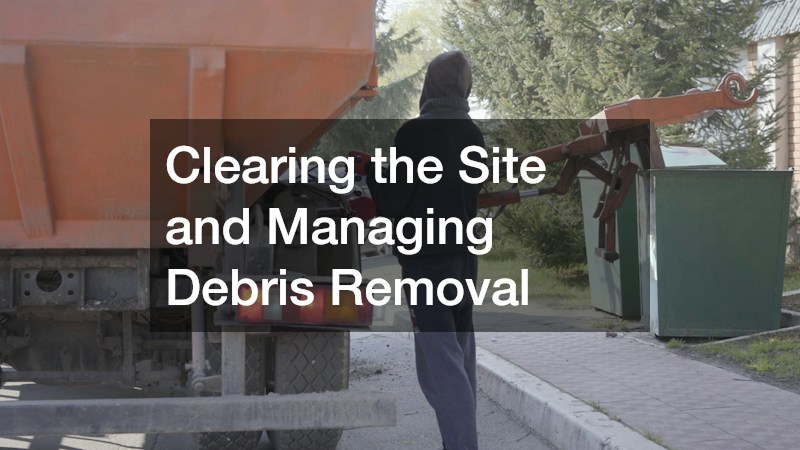
Every major renovation starts with tearing something out, whether it is old flooring, a collapsing fence, or an outdated deck, and that debris has to go somewhere. Renting construction dumpsters for the duration of your project is one of the smartest early investments you can make, since it keeps your site safe and your crew moving without constant trips to the dump. Trying to handle demolition waste piecemeal almost always costs more in labor hours than simply budgeting for a dumpster rental from day one.
Size matters when it comes to renting equipment for debris, so talk to your contractor about how much waste a given phase will generate before committing to a container size. Underestimating this cost is a common timeline killer, because a site cluttered with construction debris slows down every trade that needs to work in that space.
- Order a dumpster sized for your heaviest demolition phase, not the lightest
- Confirm what materials are accepted, since some debris like shingles or concrete may need separate disposal
- Schedule pickup and swap dates in advance to avoid delays between project phases
- Keep pathways clear so other contractors are not slowed down by debris piles
Budgeting for Plumbing and Water System Updates

Plumbing work is one of the least glamorous parts of a property upgrade, but it is also one of the most expensive if problems are discovered mid-renovation rather than planned for ahead of time. Hiring a licensed plumber to inspect existing pipes, water heaters, and drainage before you finalize your budget can save you from a nasty surprise once walls are already open. Older homes in particular often need galvanized pipe replacement or sewer line repairs that were never visible until renovation work exposed them.
It is worth setting aside a dedicated line item for plumbing contingencies, separate from your general contingency fund, because this category tends to run over more than almost any other trade. Getting a written estimate early also helps you compare quotes and avoid rush pricing later in the project when your timeline is already tight.
Planning for Heating and Cooling System Repairs
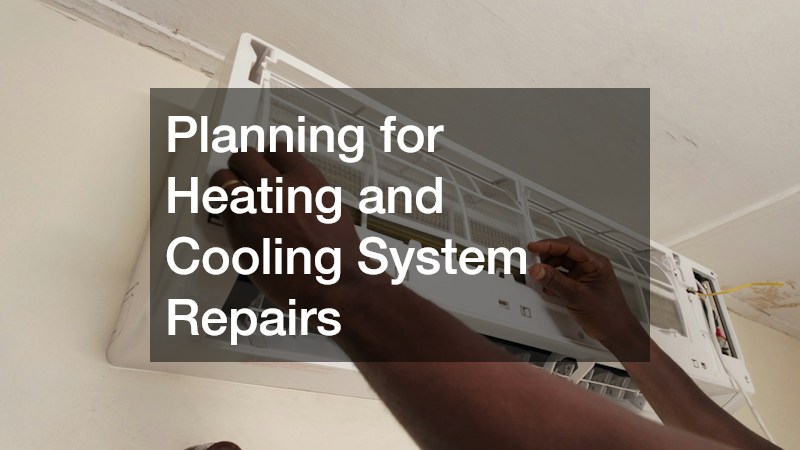
A full property upgrade is the ideal time to address aging heating and cooling equipment, since walls, attics, and ductwork are already exposed and easy to inspect. Have a technician check the age of your system, the condition of the coils and ductwork, and whether the unit is correctly sized for your newly renovated square footage. Units older than 12-15 years are often worth replacing outright rather than patching, since newer systems can cut energy bills by 20% or more. Scheduling AC repair before the hottest months arrive can prevent a situation where your system fails right as your renovation budget is already stretched thin. Spring is typically the best window, since HVAC companies aren’t yet booked solid and parts are easier to source without rush fees. Building a buffer of a few hundred dollars into your budget specifically for HVAC surprises is a smart hedge, since hidden issues like damaged ducts or outdated electrical connections often surface once walls are opened. Waiting until a unit breaks down completely often costs more than proactive maintenance or a planned replacement. An emergency mid-summer repair can run significantly higher than a scheduled service call, and a full system failure during a heatwave may force you into a rushed, more expensive replacement decision. Addressing heating and cooling needs early also lets you time the work alongside drywall and insulation phases, avoiding the cost of reopening finished walls later.
Beyond simple repairs, many homeowners use this stage of a renovation to upgrade their entire climate control setup. Investing in modern air conditioning services during a larger renovation can be more cost effective than doing it as a standalone project later, since labor for ductwork and electrical work can often be shared across projects. Contractors already have walls open and crews on site, so adding a new compressor line or rerouting vents costs far less than scheduling that work separately months later. This is also the right time to evaluate whether your existing system is even sized correctly for the renovated space. If you’re adding square footage, finishing a basement, or converting an attic into living space, your current unit may be too small to keep up, leading to higher energy bills and uneven temperatures. A load calculation from your HVAC contractor, typically a modest add-on cost during a larger project, can prevent you from installing a unit that underperforms once the dust settles. Budget-conscious homeowners should also weigh efficiency upgrades against upfront cost. A higher-SEER unit might add a few hundred dollars to the quote but can shave 15-20% off monthly cooling costs, often paying for itself within a few years. Bundling this work with other structural updates also means less disruption to your finished spaces down the road, since you won’t be cutting into freshly painted walls or new flooring to run ductwork a second time.
Allocating Funds for Outdoor Living Spaces

Outdoor upgrades are often treated as an afterthought in renovation budgets, but they can consume a significant portion of your total spend if you are adding a deck, patio, or outdoor kitchen. Composite decking has become a popular choice for homeowners who want the look of wood without the ongoing maintenance costs, and while the upfront price is higher than traditional lumber, it typically pays off in reduced repair and refinishing expenses over time. Factoring this into your budget early prevents a last-minute scramble to cut corners on materials.
When planning your outdoor space budget, think about how it connects to the rest of your property upgrade timeline. Decking work often needs to happen after major structural changes are complete but before final landscaping begins, so get quotes and materials ordered with enough lead time to avoid holding up your overall schedule.
Preparing for Driveway and Walkway Construction
Hardscaping projects like driveways and walkways are easy to underestimate because they involve heavy equipment, specialized labor, and weather-dependent scheduling. Asphalt paving projects, for example, require specific temperature conditions to cure properly, so timing this work around seasonal weather patterns is essential to keeping your overall project on track. Pouring or paving too early or too late in the season can mean redoing work that was not given proper time to set.
Because paving crews are often booked weeks or months in advance, especially during peak construction season, it pays to lock in your contractor early even if the work itself happens later in your project timeline. This is one area where flexibility in scheduling can directly protect your budget, since rush fees and rescheduling penalties are common when driveway work gets squeezed into a tight window.
Budgeting for Property Boundaries and Privacy Features
Adding or replacing fencing is often one of the last visible steps in a full property upgrade, but it should be budgeted for early since material costs and installation timelines vary widely. Wood, vinyl, and metal options all come with different price points and maintenance needs, so it helps to research these choices before finalizing your overall renovation budget rather than treating fencing as an afterthought. Permit requirements for property line work can also add unexpected time to your schedule if not addressed early.
Coordinating fence installation with other outdoor work, like grading or irrigation, can help you avoid paying a crew to come back out for a task that could have been handled during an earlier phase. Getting multiple quotes for this category also tends to reveal a wider price range than homeowners expect, making early research especially valuable.
Caring for Lawns and Landscaping After Construction
Construction work is hard on a yard, and most homeowners underestimate how much restoration is needed once heavy equipment, dumpsters, and foot traffic have taken their toll on the grass and soil. Bringing in lawn care services toward the end of your project can help repair compacted soil, reseed damaged areas, and get your landscaping back on track faster than waiting for it to recover naturally. This is also a good time to evaluate irrigation needs, since digging and grading during construction often disrupts existing sprinkler systems.
For properties with significant bare or compacted areas, spreading fresh mulch or soil amendments can make a big visual difference without a large cost. Using bark blowers to evenly distribute mulch across garden beds and landscaped areas is far faster and more consistent than manual spreading, which matters when you are trying to wrap up the final cosmetic touches of your project on schedule.
A full property upgrade stays on budget and on schedule when every trade, from demolition to landscaping, is planned for with realistic costs and a clear sequence. Building in contingency funds, getting early quotes for high-demand services, and sequencing your work thoughtfully are the habits that separate smooth renovations from stressful ones. Start by mapping out your full scope of work today, then request detailed quotes for each phase so you can move forward with confidence and keep your project on track from start to finish.