
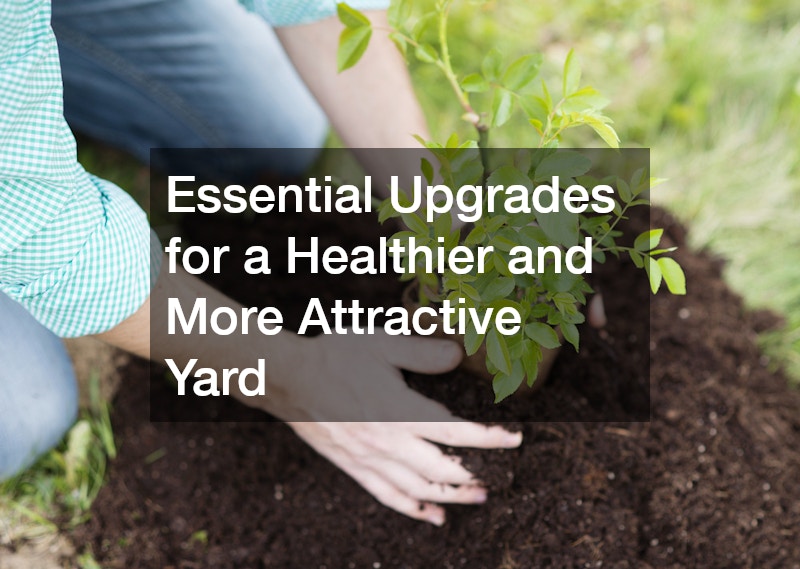
A Better Yard Starts With Smarter Planning
A beautiful yard does not happen by accident. It usually comes from a combination of thoughtful planning, consistent care, and practical upgrades that improve both appearance and performance. Many homeowners want a greener lawn, better curb appeal, more privacy, and a more enjoyable outdoor space, but it can be difficult to know where to begin. The best results come from looking at the yard as a complete system rather than a collection of separate projects.
A healthier outdoor space depends on many connected elements. Soil quality affects how well grass and plants grow. Watering habits influence root strength, disease resistance, and long-term maintenance needs. Trees, fencing, garden beds, walkways, and outdoor living areas all play a role in how the space looks and functions. When one part of the yard is ignored, it can affect everything around it.
Homeowners also need to balance beauty with practicality. A yard may look impressive at first, but if it requires constant maintenance or does not suit the property’s conditions, it can quickly become frustrating. Smart upgrades should make the outdoor space more attractive while also making it easier to care for over time. By focusing on health, function, and design together, homeowners can create a yard that adds value, supports everyday use, and remains enjoyable season after season.
Evaluate the Entire Property Before Making Changes
Before investing in new plants, outdoor features, or decorative improvements, homeowners should take time to evaluate the current condition of the property. This step is important because many yard problems begin with issues that are not immediately obvious. Poor drainage, compacted soil, uneven grading, overgrown vegetation, and aging structures can all limit the success of future improvements.
Start by walking the property and observing how water moves after rain. Areas where water collects may need grading corrections, drainage solutions, or different plant choices. Standing water can damage grass, weaken roots, attract pests, and create muddy areas that make the yard harder to use. On the other hand, areas that dry out too quickly may need better soil preparation or more efficient watering solutions.
It is also helpful to look at how the yard is used. Consider where people naturally walk, where shade falls during the day, and which areas feel underused or inconvenient. A side yard may be ideal for storage or a walkway, while an open backyard area may work better as a gathering space. Understanding these patterns helps homeowners make upgrades that support real daily needs.
For larger projects, working with a landscaping contractor can help homeowners identify problems, set priorities, and create a realistic improvement plan. A professional can often spot site conditions that the average homeowner might overlook. When the goal is to completely reimagine the space, a backyard designer can help turn broad ideas into a practical layout that improves both beauty and function.
Protect Mature Growth and Improve Safety
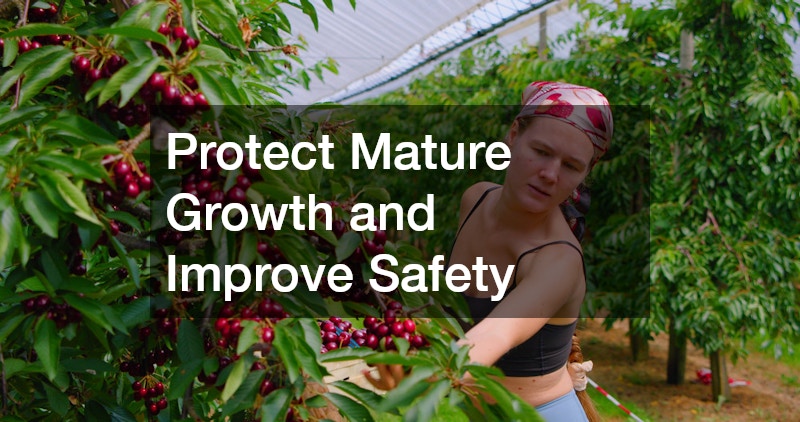
Trees are among the most valuable features in a yard. They provide shade, soften the appearance of the property, create privacy, and make outdoor spaces more comfortable during warm weather. However, trees also need regular attention. When they become unhealthy, damaged, or poorly maintained, they can create safety concerns and negatively affect the rest of the landscape.
Homeowners should inspect trees throughout the year, especially after storms or extreme weather. Warning signs may include dead branches, cracked limbs, peeling bark, mushrooms near the base, unusual leaf loss, or branches that hang too close to the home, roof, driveway, or utility lines. These issues should not be ignored because they can worsen quickly.
A professional tree service can help evaluate whether a tree is healthy, stressed, diseased, or structurally unstable. This is especially important for large trees or trees located near buildings and outdoor living areas. Removing a dangerous branch or addressing disease early can often prevent more expensive problems later.
Routine tree trimming is another important part of yard care. Proper trimming removes weak, crowded, or damaged branches while encouraging stronger growth. It can also allow more sunlight to reach the lawn and planting beds below. When trees are allowed to become too dense, they may block light, reduce airflow, and create damp conditions that encourage disease. Well-maintained trees make the entire yard feel cleaner, safer, and more attractive.
Homeowners should avoid aggressive cutting or improper pruning because these mistakes can harm the tree and lead to long-term structural problems. The goal is not simply to remove branches but to shape the tree in a way that supports health, safety, and natural growth.
Improve Watering and Lawn Health From the Ground Up
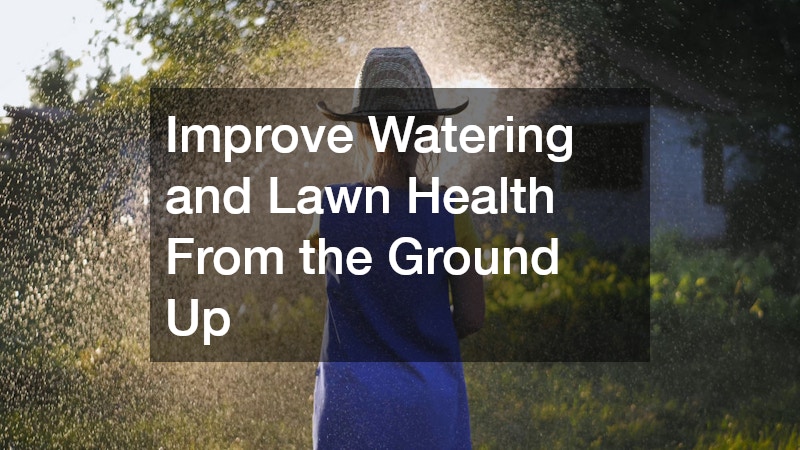
A healthy yard depends on consistent moisture, but many homeowners struggle with watering. Some areas receive too much water, while others do not receive enough. This can lead to patchy grass, weak roots, weeds, disease, and wasted money on water bills. Improving how water is delivered is one of the most effective upgrades for long-term yard health.
The first step is to observe how the lawn and plants respond to current watering habits. Brown patches, soggy areas, runoff, and shallow roots can all be signs of poor watering practices. Watering too frequently can be just as harmful as not watering enough because it encourages shallow roots and makes grass more vulnerable during dry periods.
A modern lawn irrigation installation can help homeowners maintain more consistent coverage. Smart systems can be designed to water different zones according to their specific needs. For example, sunny areas may require more water than shaded areas, and garden beds may need a different schedule than turf. Smart controllers can also adjust watering based on weather conditions, helping reduce waste.
Healthy watering should work together with proper soil care. Compacted soil makes it harder for water, oxygen, and nutrients to reach the roots. Aeration can help loosen compacted ground and improve root development. Adding organic matter, correcting pH issues, and improving soil structure can also make the lawn more resilient.
A professional lawn treatment plan may be useful for homeowners dealing with weeds, pests, thinning grass, or nutrient deficiencies. The best approach is usually based on soil conditions, grass type, climate, and seasonal timing. Rather than applying random products, homeowners should use targeted care that supports long-term health. When grass has strong roots and balanced nutrients, it becomes thicker, greener, and better able to resist stress.
Choose Materials and Plants That Fit the Property
The products used in a yard can make a major difference in how long improvements last. Low-quality materials may look fine at first, but they often break down faster, require more replacement, and create extra maintenance. Choosing the right materials from the beginning helps protect the investment and improves the overall appearance of the space.
Mulch, soil, edging, stone, gravel, compost, and planting materials should all be selected based on the needs of the property. For example, mulch can help retain moisture, reduce weeds, regulate soil temperature, and give beds a finished appearance. However, the wrong type or depth of mulch can create problems, such as trapping too much moisture against plant stems or washing away during heavy rain.
High-quality landscaping supplies can also improve the durability of walkways, garden beds, borders, and decorative areas. Homeowners should think about how each material will perform in their climate. Some products handle freeze-thaw cycles better than others, while some are better suited for hot, dry conditions. The right choice depends on the location, use, and maintenance expectations.
Plant selection is equally important. A plant may look beautiful at the store but fail if it is not suited for the soil, sun exposure, or available space. Homeowners should consider mature plant size, watering needs, disease resistance, and seasonal appearance before making purchases. Choosing plants only for their flowers or color can lead to overcrowding, high maintenance, and frequent replacements.
A knowledgeable garden center can help homeowners choose plants and materials that match local conditions. Staff may be able to recommend native plants, soil amendments, seasonal products, and practical care tips. Getting this guidance before purchasing can prevent common mistakes and help create a landscape that stays healthier with less effort.
Add Privacy, Boundaries, and Visual Structure

A yard often feels more complete when it has clear boundaries and defined spaces. Fencing can improve privacy, increase security, protect pets, and create a stronger sense of separation between different areas of the property. It can also add visual structure and help frame the landscape.
Before choosing a fence, homeowners should think carefully about the main purpose. A privacy fence may be ideal for blocking nearby views and creating a quiet backyard retreat. A decorative fence may be better for front yards or garden areas where appearance matters more than full coverage. Families with pets or children may need a design that focuses on safety and containment.
Materials also matter. Wood offers a classic look and can be customized in many ways, but it requires regular maintenance to prevent rot and weather damage. Vinyl can be easier to maintain and is available in many styles. Metal fencing may provide durability and elegance, though it usually offers less privacy unless combined with landscaping.
Working with a fence company can help homeowners compare materials, understand local rules, and choose a design that fits the property. Proper installation is critical because even high-quality fencing can fail if posts are not set correctly or if drainage and soil conditions are ignored.
A professional residential fencing service can also help ensure the finished project supports both function and appearance. This is especially important for uneven yards, corner lots, or properties with unique layout challenges. A well-planned fence should feel like part of the overall design rather than an afterthought. When paired with plants, lighting, or garden beds, fencing can make the yard feel more polished, private, and usable.
Create Outdoor Areas That Support Everyday Living
Once the foundational elements are addressed, homeowners can focus on making the yard more enjoyable. Outdoor spaces should be designed around real activities, not just appearance. A yard that looks nice from the street but does not support everyday living may not provide the full value homeowners want.
Start by identifying how the space should function. Some homeowners want a quiet area for reading or relaxing. Others need room for children, pets, grilling, gardening, or entertaining guests. Defining these priorities helps determine where patios, seating areas, walkways, lighting, and planting beds should go.
Good outdoor design often includes a sense of flow. Walkways should connect important areas naturally, such as the driveway, back door, patio, garden, and storage areas. Seating should be placed where it feels comfortable and convenient. Shade, privacy, and views should all be considered when deciding where people will spend time.
Layered planting can also improve the look and feel of the yard. Taller plants can provide background structure, medium-sized shrubs can add fullness, and lower plants can bring color and texture near walkways or sitting areas. This layered approach creates depth and makes the yard feel more intentional.
Lighting is another upgrade that can dramatically improve usability. Path lights, patio lighting, and accent lighting can make the yard safer and more inviting after dark. Good lighting does not need to be excessive. Even simple, well-placed fixtures can highlight key features and extend the amount of time the outdoor space can be enjoyed.
Bringing Long-Term Beauty and Health Together

Creating a healthier and more attractive yard is not about making one big change. It is about improving the property in ways that work together. Strong soil, healthy grass, safe trees, reliable watering, quality materials, defined boundaries, and useful outdoor spaces all contribute to a yard that performs better and looks more inviting.
The most successful upgrades are the ones that fit the property’s conditions and the homeowner’s lifestyle. A beautiful yard should be enjoyable, practical, and realistic to maintain. By taking time to evaluate the space, prioritize important improvements, and choose durable solutions, homeowners can avoid wasted effort and create results that last.
A well-planned yard can make daily life more enjoyable while also improving curb appeal and long-term property value. With the right approach, any outdoor space can become healthier, more comfortable, and more attractive year after year.