
When you embark on a comprehensive backyard upgrade, you are investing in your property’s equity and your own quality of life. To ensure that this investment lasts for decades rather than seasons, you must balance visual appeal with rugged durability. Every beautiful patio requires an unyielding foundation, every pristine walkway requires engineered water management, and every vertical feature requires structural stability. This guide will walk you through the essential phases of an elite backyard transformation, from the initial earthwork to the fine masonry details and the long-term upkeep required to protect your hard work.
1. Assessing Property Topography and Site Grading

A thorough assessment begins by mapping out the high and low points of your yard during a heavy rainstorm. Watch where the water naturally travels and where it collects. Low spots are an immediate red flag, indicating areas where the soil is prone to saturation and compaction. If you build a patio over a low spot without correcting the grade, the weight of the masonry will eventually cause the earth to sink, destroying your smooth surface. Furthermore, you must ensure that the ground slopes gently away from your home’s foundation—ideally dropping at least six inches within the first ten feet—to prevent water from seeping into your basement or crawlspace.
Once you have identified the problem zones, the physical work of excavation and site grading begins. This process involves stripping away the weak topsoil, cutting down high areas of earth, and filling in depressions to create a uniform, stable plane. For substantial grading over large acreage, relying on small garden bags of dirt is entirely impractical. Smart project management requires organizing a bulk dirt delivery to bring in high-quality fill dirt and nutrient-rich topsoil exactly where you need it. This allows you to sculpt the landscape efficiently, establish the perfect slope, and prepare the sub-grade for heavy construction.
With the raw earth leveled and shaped, the next critical step is creating a uniform sub-base that resists the natural shifting of the ground. Raw soil expands and contracts with changes in moisture and temperature, which can easily ruin expensive hardscaping. To counteract this, a thick layer of dense, angular gravel must be laid down and heavily compacted over the bare dirt. Utilizing a premium crushed rock aggregate for this sub-base is essential. The fractured, irregular edges of this material bind tightly together under a mechanical compactor, creating a rigid, stone-hard platform that distributes weight evenly and prevents the underlying soil from pumping upward into your finished patio layers.
2. Engineering the Sub-Base for Maximum Drainage
Once your primary grading is complete and your heavy sub-base is set, your attention must turn to the finer details of drainage engineering. Water is the ultimate enemy of stone and concrete structures. When water traps itself beneath a walkway or patio, it weakens the supporting ground. In colder climates, this trapped moisture undergoes a destructive freeze-thaw cycle, expanding as it freezes and physically lifting the masonry, only to drop it unevenly when it thaws.
Achieving this level of sub-surface drainage requires the careful selection of clean, washed aggregates that do not contain fine dust or sand. Depositing a generous layer of open-graded crushed stone across the project area fulfills this need perfectly. Because this material consists of uniform, clean-cut stones, it maintains an abundance of microscopic voids even after it is compacted. These interconnected voids act as a subterranean drainage grid, allowing rainwater to instantly pass straight down through the stone layer and dissipate safely into the ground rather than pooling directly beneath your pavers.
For homeowners who want to completely eliminate surface runoff on their walkways, combining these traditional aggregate techniques with modern polymer technology offers an innovative solution. By mixing specialized clear polyurethane resins with beautiful decorative aggregates, builders can create a completely seamless, highly porous paving system. Installing a premium resin bound stone pathway over your prepared sub-base allows water to permeate directly through the finished surface itself. This advanced method ensures that your garden paths remain completely free of puddles, ice patches, and slick spots, blending cutting-edge engineering with a clean, continuous aesthetic.
3. Choosing Resilient Surfaces for Outdoor Patios
For a uniform, clean, and highly durable patio surface, modern engineered masonry offers incredible advantages over unpredictable raw quarry stones. Incorporating high-quality pre cast stone pavers into your patio design ensures that every piece features an identical thickness and structural density. Manufactured under extreme pressure and heat, these architectural elements are specifically designed to withstand immense weight loads and resist the chemical wear of de-icing salts and chlorine. Their precise dimensions also make the installation process much faster and smoother, resulting in perfectly tight joints that resist shifting over time. If you desire a more refined, upscale look that mirrors the luxurious feel of an indoor living room, you can venture into specialized exterior tiling. Selecting a rugged, vitrified porcelain or natural stone tile explicitly rated for outdoor use allows you to create an elegant transition from your home’s interior to the open air.
4. Designing Impactful Vertical Masonry Elements
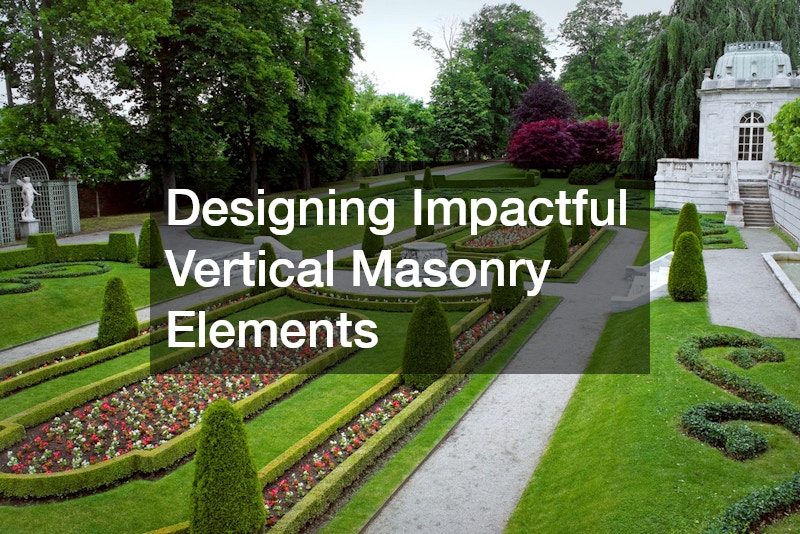
Smart designers build the core of their vertical features using lightweight concrete blocks, exterior-grade wood framing, or cement backer boards. Once the structural core is secure, you can transform its appearance by applying a premium stone veneer to the exterior faces. This material consists of thin, real stone profiles or highly realistic molded composites that adhere directly to the core using specialized masonry mortar. The result is a gorgeous, authentic stone facade that looks indistinguishable from a solid masonry wall but weighs a fraction of the amount, making it perfect for custom outdoor kitchens and accent walls. To anchor these vertical designs and give your property a sense of history and permanence, you can integrate larger, standalone artistic masonry features. Placing a series of custom stone features or structural monuments at key focal points around your yard establishes an immediate sense of grandeur.
5. Managing Water Flow and Erosion Control
Erosion control starts with understanding your yard’s watershed. When rain falls on impervious surfaces like roofs, patios, and driveways, it cannot soak into the ground. Instead, it transforms into surface runoff, gathering speed and volume as it moves down your property’s natural slopes. If this water rushes unchecked across your lawn or along the edges of your new patio, it will quickly strip away the topsoil, carve deep channels into your lawn, and wash away the supporting sand joints between your pavers. To prevent this, you must integrate active drainage networks—such as french drains, catch basins, and dry creek beds—that capture this runoff at the source and guide it away safely.
Long-term protection requires a regular commitment to inspecting and cleaning these critical underground and surface drainage pathways. Dedicating time to routine stormwater maintenance ensures that your catch basins remain free of fallen leaves, twigs, and silt that naturally accumulate during heavy storms. If a drainage pipe becomes clogged, water will back up rapidly, flooding your beautiful outdoor spaces and causing severe water damage to the surrounding masonry. Cleaning out your gutters, checking downspout extensions, and ensuring that your bioswales are clear of debris will keep your water management system running at peak performance year-round.
6. Maximizing Small Spaces with Creative Hardscaping
Not every homeowner has a sprawling multi-acre estate to work with, but a smaller yard should never limit your design ambitions. In fact, compact outdoor spaces often yield the most intimate, luxurious, and functional designs because every single square inch must be carefully considered and optimized. Creative hardscaping is the key to unlocking the hidden potential of a small backyard, allowing you to create distinct functional zones without making the area feel cramped or cluttered.
The secret to mastering small-space landscaping lies in the clever use of multi-purpose features and visual illusions. When space is at a premium, a simple retaining wall should never be just a retaining wall; design it at the perfect height to double as extra bench seating for guests around a fire pit. Instead of a large, sprawling lawn that requires constant maintenance and breaks up the flow of the yard, consider replacing a portion of the grass with a clean, geometric stone courtyard. This minimizes yard work while creating a solid, reliable floor plan for outdoor dining sets and lounge chairs. When undertaking such a large project, ensure you have the right tools for the job and that they’re in good condition– if utilizing a tool sharpening service is necessary, do so.
7. Integrating Lighting for Nighttime Functionality

A beautifully designed backyard should not vanish the moment the sun goes down. To truly maximize your investment and enjoy your outdoor sanctuary to the fullest, a comprehensive, low-voltage landscape lighting system is an absolute necessity. Thoughtfully placed illumination completely transforms the atmosphere of your yard at night, shifting the vibe from a bright, functional daytime space to a dramatic, warm, and romantic evening retreat. Beyond pure aesthetics, proper lighting is a fundamental safety feature that ensures family and guests can navigate your walkways, stairs, and patios without the risk of tripping in the dark.
When designing your outdoor lighting plan, avoid the temptation to simply flood the entire yard with bright, harsh spotlights. Instead, utilize a layered lighting approach that combines path lighting, uplighting, and accent illumination to create depth, shadow, and visual interest. Low-profile path lights should be placed along the edges of your walkways and patio perimeters, casting a gentle downward glow that illuminates footpaths without blinding anyone. These fixtures should be staggered rather than placed in perfectly straight lines to create a more natural, inviting flow through the landscape.
8. Cultivating Perfect Plant Pairings for Stone Surfaces
While stone, pavers, and engineered concrete provide the essential structure and strength of a backyard design, live plants supply the soul, movement, and color. A landscape composed entirely of hard surfaces can easily feel cold, sterile, and uninviting. Conversely, an untamed jungle of plants without structure can look messy and disorganized. The key to a world-class backyard is the deliberate, artistic pairing of soft botanical elements with hard masonry surfaces, creating a beautiful contrast where stone and soil complement one another perfectly.
When selecting plants to live alongside your new hardscaping, you must consider the microclimate created by your stone features. Large stone patios, dark pavers, and masonry walls absorb massive amounts of solar heat during the day and slowly radiate that heat back out long after the sun sets. This extra warmth can dry out the surrounding soil rapidly and scorch delicate, moisture-loving plants. For garden beds that sit directly adjacent to large stone installations, prioritize drought-tolerant, heat-loving perennials like lavender, rosemary, ornamental grasses, and sedum. These hardy species thrive in warm soils and look incredibly striking against the clean lines of modern stone architecture.
9. Upgrading Outdoor Cooking and Dining Zones
One of the most rewarding backyard upgrades you can undertake is the creation of a fully functional outdoor kitchen and dining pavilion. Cooking and eating meals outside completely changes the dynamic of hosting gatherings, turning a routine meal into an immersive social event. Rather than being isolated inside a hot indoor kitchen while your guests enjoy the backyard, a custom outdoor culinary station keeps the chef at the absolute center of the party.
A basic barbecue grill on wheels is a fine starting point, but a true luxury upgrade involves building a permanent, custom-tailored cooking island. When planning this space, think carefully about the layout and workflow, applying the same kitchen design principles outdoors that you would use indoors. Ensure you have ample counter space on both sides of your grill for food preparation, serving platters, and clean-up. You can also integrate high-end conveniences like weather-proof outdoor refrigerators, built-in trash bins, stainless steel storage drawers, and even a fully plumbed sink to eliminate constant trips back inside the house.
10. Incorporating Mindful Water Features for Serenity
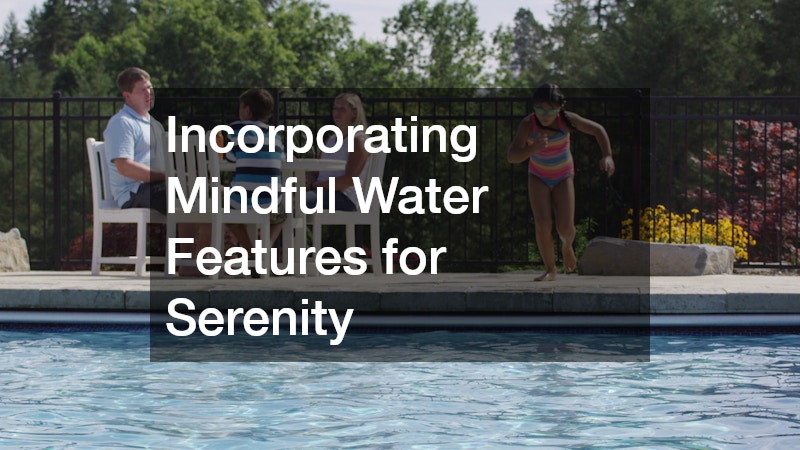
To complete your ultimate backyard transformation and elevate it to a true sensory oasis, consider introducing the soothing element of moving water. The sights and sounds of water have a profound psychological effect on the human mind, immediately inducing a state of calm, reducing stress levels, and washing away the noise of the outside world. Furthermore, a well-placed water feature acts as a natural sound barrier, masking unwanted ambient noises like nearby traffic, barking dogs, or loud neighbors with a consistent, relaxing white noise.
Water features can be tailored to fit any backyard size, budget, or architectural style. For large, rustic yards, a custom-built natural ecosystem pond complete with waterfalls, meandering streams, and colorful koi fish creates a spectacular, living focal point that attracts local wildlife. If you prefer a cleaner, more contemporary aesthetic for a modern patio, a sleek, architectural water wall or a minimalist bubbling stone fountain provides a beautiful artistic statement without taking up valuable square footage.
When you complement that structural durability with stunning design elements like landscape lighting, lush plant pairings, custom outdoor kitchens, and serene water features, you transform an ordinary yard into an extraordinary personal sanctuary. Remember that a premium backyard is a living, breathing investment that grows more beautiful over time when given the proper care and attention. Embrace the process, plan each phase with care, and enjoy the lifelong rewards of a breathtaking outdoor haven built to stand the test of time.