
Designing a Space That Works for Your Life
Creating a well-designed yard goes far beyond aesthetics. A truly functional exterior environment supports your lifestyle, enhances comfort, and adds long-term value to your home. Whether you want a place to entertain, relax, or spend time with family, thoughtful planning is what transforms a basic yard into something meaningful.
A successful design considers how you’ll use the space daily, how it will evolve over time, and how each feature works together. From layout and structure to greenery and lighting, every element should serve a purpose. This guide walks you through each step of the process so you can make confident, informed decisions and avoid costly mistakes.
Define How You Want to Use Your Space

Before making any physical changes, start by identifying your goals. Think about how you currently use your yard and how you’d like to use it in the future. This clarity will guide every design decision moving forward.
Begin by listing your top priorities. Do you want an area for entertaining guests? A quiet retreat for relaxation? A play zone for kids or pets? Maybe a mix of everything. Clearly defining these needs helps you divide your outdoor space into functional zones.
Once you know your priorities, sketch a rough layout. You don’t need professional tools—just outline where key activities will take place. For example, place seating areas closer to the house for convenience, while quieter zones can be tucked away for privacy.
It’s also important to consider flow. Walkways and transitions between areas should feel natural and unobstructed. Avoid overcrowding your layout with too many features. Instead, focus on creating balance so each section feels intentional and usable.
Lastly, think long-term. Your needs may change over time, so leave room for flexibility. A space that can evolve will serve you better in the years ahead.
Evaluate Your Property Before Making Design Decisions
Understanding your property’s natural conditions is essential for a successful layout. Every yard has unique characteristics that influence what will work best.
Start by observing sunlight patterns throughout the day. Some areas may receive full sun, while others remain shaded. This affects where you place seating, plants, and functional features. Soil quality is another key factor. Testing your soil can help determine what types of greenery will thrive and whether amendments are needed.
Drainage is often overlooked but plays a major role in preventing long-term issues. Watch how water moves across your yard after rainfall. Poor drainage can damage plants and structures if not addressed early.
This is where landscaping contractors can provide valuable insight. They can assess grading, recommend improvements, and help you avoid structural problems that aren’t immediately visible. Their expertise is especially useful for complex layouts or larger properties.
Taking the time to evaluate your yard thoroughly ensures your design is not only attractive but also sustainable and practical.
Plan a Watering System That Supports Healthy Growth
A reliable irrigation plan is crucial for maintaining a thriving yard. Without proper watering, even the best design can quickly deteriorate. Inconsistent moisture levels can stress plants, weaken root systems, and lead to patchy or unhealthy growth over time.
Start by determining the water needs of different areas. Lawns, garden beds, and trees all require varying amounts of moisture. For example, newly planted areas typically need more frequent watering, while established trees may only need occasional deep watering. Grouping plants with similar needs together can simplify your irrigation strategy and make it easier to avoid under- or overwatering specific zones.
Modern sprinkler installations offer efficient and customizable solutions. Drip systems are ideal for garden beds because they deliver water directly to the base of plants, minimizing evaporation and runoff. Meanwhile, rotating sprinklers are better suited for covering larger grassy areas evenly. Many systems can also be programmed with timers or smart controllers, allowing you to automate watering schedules based on weather conditions and seasonal changes.
Timing is just as important as distribution. Watering early in the morning reduces evaporation and allows moisture to reach plant roots effectively before the heat of the day. Avoid watering in the evening when possible, as excess moisture overnight can encourage fungal growth. Overwatering should also be avoided, as it can lead to root rot, nutrient loss, and poor soil aeration.
Regular maintenance is also essential. Check for leaks, clogged nozzles, and uneven coverage. A well-maintained system not only keeps your yard healthy but also reduces water waste over time.
Select Plants That Thrive in Your Climate

Choosing the right greenery can make or break your design. Plants should not only look appealing but also thrive in your specific environment.
Start by researching landscape plants that are well-suited to your region. Native species are often the best choice because they require less maintenance and are more resilient to local conditions. Mixing different plant types—such as shrubs, perennials, and ornamental grasses—adds depth and variety.
When sourcing plants, visit a reputable plant nursery. Quality matters, and healthy plants establish more quickly and perform better over time. Nursery staff can also provide valuable advice on selection and care.
Placement is equally important. Consider mature size when planting to avoid overcrowding. Arrange taller plants in the back and shorter ones in front to create a layered look. This not only improves aesthetics but also ensures each plant receives adequate sunlight.
Finally, think seasonally. Incorporate a mix of evergreen and seasonal plants so your yard maintains visual interest throughout the year.
Add Structure and Privacy With Strategic Design Elements
Creating boundaries helps define your yard and adds a sense of security and comfort. One of the most effective ways to achieve this is through well-placed structures that establish clear edges while still maintaining an open, inviting feel.
Wood fencing is a popular option because it offers both functionality and visual appeal. It can provide privacy, reduce noise, and enhance the overall design when chosen carefully. Styles range from classic picket fences to more modern horizontal designs, allowing you to match your home’s aesthetic. You can also customize height, spacing, and finishes to strike the right balance between privacy and visibility.
Placement is key. Use fencing to enclose specific areas, such as seating zones or gardens, rather than surrounding the entire property if that doesn’t suit your needs. This creates a more dynamic and intentional layout. For example, partial enclosures can define a cozy lounge area without making the space feel closed off. You can also combine fencing with natural elements like hedges or climbing plants to soften the overall look.
Maintenance should also be considered. Regular staining or sealing helps extend the lifespan of wood and keeps it looking its best. Inspect for signs of wear, such as warping or discoloration, and address issues early. With proper care, fencing can remain a durable and attractive feature that continues to enhance your yard for many years.
Use Lighting to Extend Usability Into the Evening
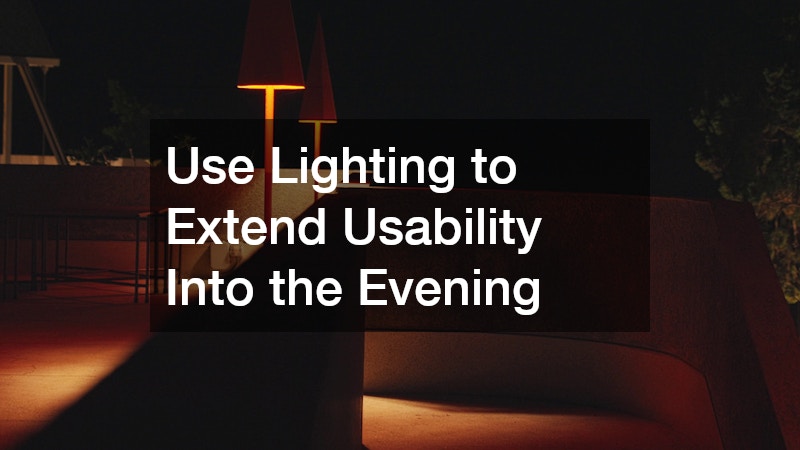
Lighting plays a crucial role in both functionality and ambiance. A well-lit yard can be enjoyed long after the sun goes down while also improving safety for everyone using the space. Thoughtful lighting placement not only enhances visibility but also creates a more comfortable and inviting environment for relaxing or entertaining.
Outdoor lighting should be layered for maximum effect. Start with pathway lights to guide movement and prevent accidents, especially along walkways, stairs, and transitions between different areas. These fixtures help define routes and make navigation intuitive at night. Add accent lighting to highlight key features such as trees, architectural elements, or seating areas, drawing attention to focal points and adding depth to the overall design.
String lights and soft ambient fixtures can create a warm and inviting atmosphere for entertaining. Draping them over patios, pergolas, or dining areas adds a cozy, welcoming glow that encourages people to linger longer. Meanwhile, brighter lights near entry points enhance visibility and security, helping guests safely enter and exit while also deterring unwanted activity.
Energy efficiency is another important factor. LED options consume less power and last longer than traditional bulbs, making them a smart investment over time. Many modern systems also include timers or smart controls, allowing you to automate lighting schedules and reduce unnecessary usage.
Be mindful not to overdo it. Too much lighting can feel harsh and detract from the natural beauty of your yard. Aim for balance so each area is illuminated without overwhelming the space, creating a cohesive and comfortable nighttime experience.
Build a Consistent Maintenance Routine
A beautiful yard requires ongoing care. Establishing a consistent routine ensures your efforts continue to pay off over time.
Lawn care is one of the most important aspects of maintenance. Regular mowing, watering, and fertilizing keep grass healthy and vibrant. Aeration and overseeding can further improve growth and resilience.
Weed control is another key component. Addressing weeds early prevents them from spreading and competing with desirable plants. Mulching can help suppress weeds while also retaining soil moisture.
Seasonal tasks should not be overlooked. Spring is ideal for planting and fertilizing, while fall is the time to prepare for colder weather. Staying on top of these tasks keeps your yard in peak condition year-round.
Consistency is what makes the difference. Even small, regular efforts can have a significant impact over time.
Keep Trees Healthy and Well-Maintained

Trees are often the centerpiece of a yard, but they require proper care to remain safe and attractive.
Regular pruning helps remove dead or overgrown branches, improving both appearance and health. It also reduces the risk of falling limbs, which can be hazardous.
In many cases, hiring a tree pruning service is the best option. Professionals have the tools and expertise to handle large or complex trees safely. They can also identify potential issues that may not be obvious to the untrained eye.
Timing is important when pruning. Different tree species have specific seasons when pruning is most effective. Understanding these cycles ensures optimal results.
Proper care not only enhances the beauty of your yard but also extends the life of your trees.
Choose the Right Professionals for Your Project
While many aspects of yard design can be done independently, working with experienced professionals can elevate the final result.
A local landscape company understands regional conditions and can provide tailored recommendations. Their familiarity with local climate, soil, and plant varieties gives them an advantage when planning and executing projects.
When selecting a company, look for experience, positive reviews, and a portfolio of completed work. Clear communication is also essential. Make sure they understand your vision and can provide realistic timelines and cost estimates.
Professionals can help streamline the process, avoid costly mistakes, and ensure high-quality results. Even if you plan to handle some tasks yourself, consulting with experts can provide valuable guidance.
Bring Everything Together With a Cohesive Plan
Once all elements are in place, the final step is ensuring everything works together seamlessly. A cohesive design is what transforms individual features into a unified, functional environment.
Start by reviewing your layout as a whole. Make sure each area flows naturally into the next and that pathways are clear and intuitive. Balance is key—avoid concentrating too many features in one area while leaving others empty.
Consider how different materials and colors interact. Consistency in design choices creates a polished and intentional look. At the same time, small variations can add interest and depth.
Walk through your yard as if you were a guest. Does it feel welcoming? Is it easy to navigate? Are there areas that could be improved? This perspective can help you identify final adjustments.
Taking the time to refine your design ensures your yard is not only functional but also enjoyable to use every day.
Creating a Space That Enhances Everyday Living
Designing a functional yard is a rewarding process that combines creativity with practical planning. By focusing on how you want to use your space, understanding your property’s unique characteristics, and carefully selecting each element, you can create an environment that truly enhances your daily life.
The key is to approach the process step by step. Thoughtful decisions made early on will save time, effort, and money in the long run. Whether you take on the project yourself or work with professionals, a well-planned design will continue to provide value and enjoyment for years to come.
With the right strategy, your yard can become more than just an extension of your home—it can become one of your favorite places to spend time.