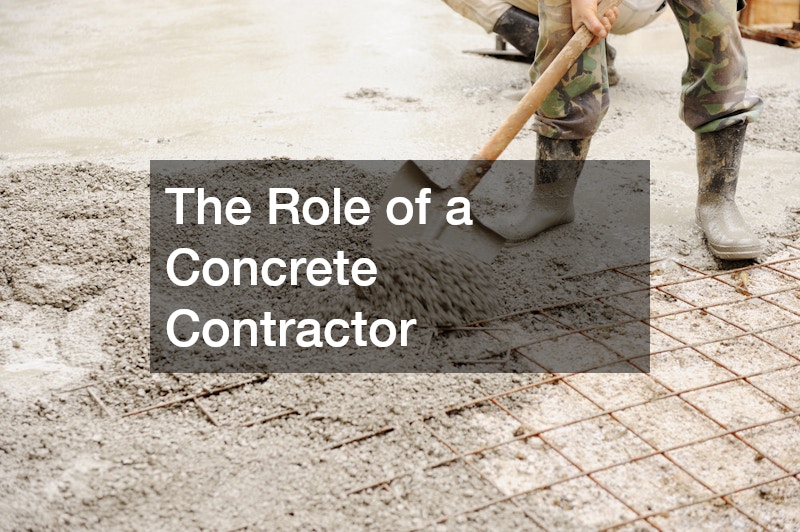
Concrete contractors are pivotal in the construction industry, handling tasks from basic to intricate works. They ensure projects meet safety and quality standards. A concrete contractor’s career requires practical skills, technical knowledge, and project management abilities, making them essential for major developments.
The ability to integrate modern construction methodologies further enhances project outcomes.
What Does a Concrete Contractor Do?
Services Offered
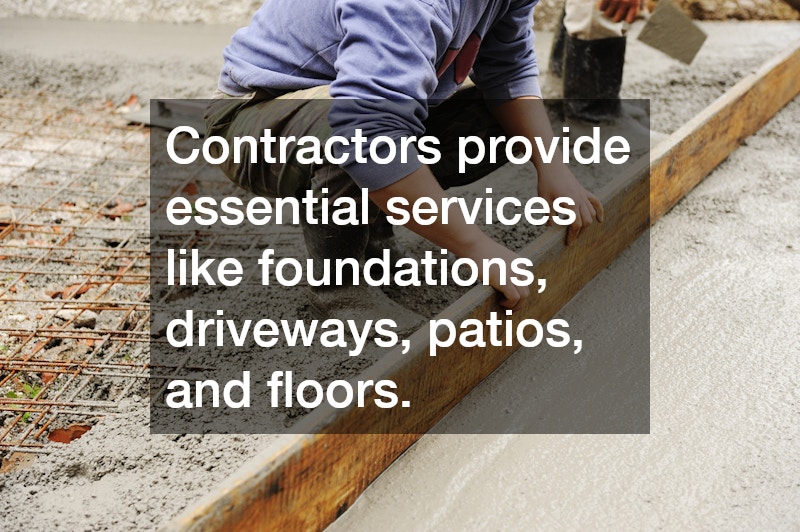
Contractors provide essential services like foundations, driveways, patios, and floors, forming the base for construction. Using advanced techniques, they ensure stable structures. Every service is tailored to project needs, demanding precision. Contractors must stay updated with industry advancements for superior services. This commitment to self-improvement enhances their capability to address diverse project requirements efficiently.
Specialty Work
Besides standard offerings, contractors offer decorative services like stamped concrete and polished finishes for clients seeking aesthetic and structural benefits. This requires design expertise and craftsmanship, distinguishing them from general contractors. Creating unique visual elements can add significant value to residential and commercial properties.
Project Management
Project management ensures smooth operations from start to finish, including task delegation, schedule management, and coordination with other contractors. Effective management is crucial for timely, quality project completion. Proficiency in these areas often leads to higher client satisfaction and long-term business relationships.
Choosing a Concrete Contractor
Qualifications and Experience
Qualifications and experience are crucial for selecting a reliable contractor. Certifications and a track record of successful projects indicate expertise. Clients should verify these to ensure capable handling of challenges. Experienced contractors can offer creative solutions to complex construction issues.
References and Past Projects
References and past projects are key when choosing a contractor. Reviews and project photos offer insights into reliability, work ethic, and output quality. Potential clients should consider speaking directly with past clients for firsthand accounts of project experiences.
Cost Considerations
Understanding costs helps in budgeting. Detailed estimates prevent surprises. Communication on budget constraints is crucial. Contracts outlining scope, payment, and contingencies are fundamental. Careful financial planning ensures the project’s financial health and feasibility over time.
Importance of Hiring a Professional
Quality and Durability
Hiring professionals ensures quality and longevity. They use best practices and materials that guarantee durable installations, offering lasting value and warranties. Expert knowledge in material properties contributes significantly to the lifespan of a project.
Safety Considerations
Professional contractors adhere to safety protocols, protecting workers and structures. This includes equipment maintenance, worker training, and compliance with regulations. Maintaining high safety standards minimizes potential liabilities associated with construction work.
Avoiding Pitfalls
Professionals prevent common DIY mistakes. Knowledge in mixing, pouring, and finishing avoids costly repairs. Clients receive guidance for proper installations and maintenance. This expertise allows homeowners to avoid unexpected future expenses related to DIY errors.
Trends in Concrete Work
Sustainable Practices
There’s a shift to sustainable practices, using eco-friendly techniques to reduce the carbon footprint. This trend aligns with the demand for sustainable solutions. The adoption of green practices addresses both environmental concerns and consumer preferences for sustainability.
Innovative Design Solutions
Unique designs are in demand, using advanced coloring and patterns for visual appeal. Clients achieve personalized aesthetics and functionality. Customization through design innovations allows businesses to set their projects apart from others.
Technological Advancements
Technological advancements enhance project efficiency and results. Technologies like project management systems and laser-guided machinery improve precision. Integrating cutting-edge technology ensures that projects are completed on time with outright precision and reduced resource wastage.
Maintaining Concrete Installations
Regular Cleaning and Maintenance
Regular maintenance, including washing and sealing, extends the lifespan of installations. Professional services ensure proper care. This upkeep prolongs the aesthetic appeal and functionality of the structure, reflecting positively on property value.
Understanding Wear and Tear
Concrete structures wear over time due to weather and traffic. Early recognition of wear prevents severe damage. Professional assessments ensure proper interventions. Staying proactive about wear issues helps preserve the overall safety and reliability of the structure.
Repair Options
Damages can be repaired with techniques like crack injections and patching. Resurfacing rejuvenates structures. Regular inspections ensure timely interventions. By addressing wear early, significant repairs can be minimized, saving both time and resources.
Concrete contractors apply their skills to deliver durable, aesthetically pleasing structures, managing projects, innovating, and promoting sustainability. Hiring professionals ensures quality, safety compliance, and investment protection. Their role is integral to transforming architectural visions into reality while maintaining ecological and economic considerations.