
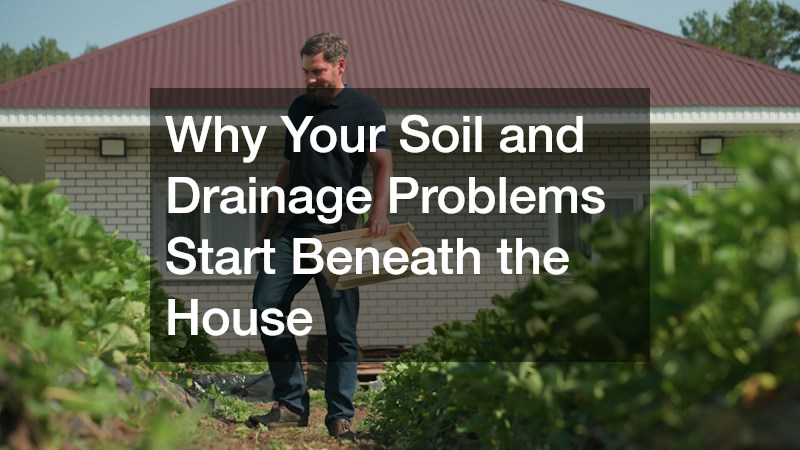
If your floors feel uneven, your doors stick, or puddles keep forming in the same spot in your yard, the real problem may not be visible at all. Soil movement and poor drainage often originate below the foundation, quietly shifting and eroding support long before any damage shows up indoors. Understanding what’s happening underground can save you from costly surprises and help you catch warning signs early. This guide walks through the key systems and conditions beneath your home that influence soil stability and water flow, so you can make informed decisions about repairs and maintenance.
Foundation Soil Composition and Load Bearing Capacity
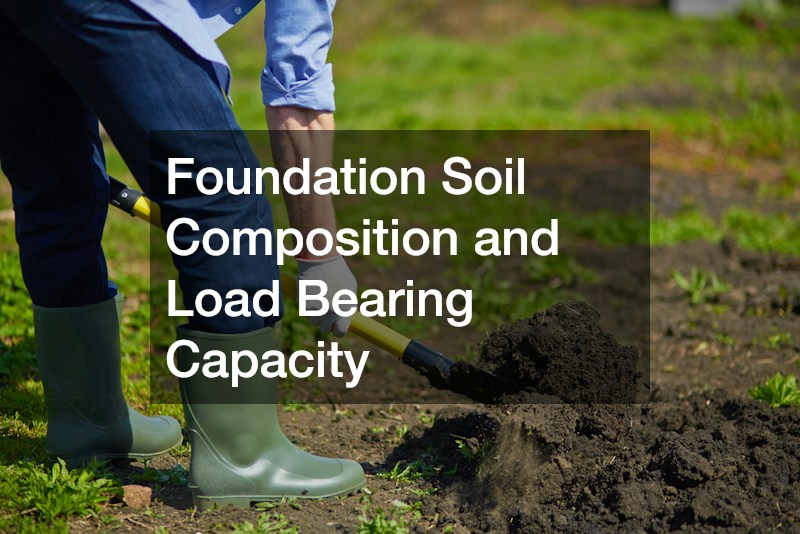
The soil directly beneath your foundation determines how well your house stays level over time. Clay-heavy soil expands when wet and contracts when dry, creating constant movement that stresses concrete and framing. Sandy or loose soil, on the other hand, may compact unevenly under the weight of the structure, leading to gradual sinking in certain spots. Knowing your soil type is the first step toward understanding why cracks or settling appear where they do.
Homeowners often don’t think about soil composition until problems surface, but a geotechnical assessment can reveal risks before construction or renovation begins. This is especially relevant if you’re planning an addition or working with a custom home builder who needs accurate soil data to design a stable foundation. It also matters when choosing structural materials, since a builder weighing composite metal decking for an elevated addition still needs reliable soil data to ensure the supporting footings can handle the load. Skipping this step can mean building on ground that was never suited to support significant weight.
Underground Water Tables and Seasonal Saturation
Water tables rise and fall throughout the year, and when they climb close to your foundation, they saturate the soil and increase hydrostatic pressure against basement walls. In many regions, the water table can shift by several feet between dry summer months and wet spring conditions, meaning a basement that stays bone-dry in August can develop seepage by April. This pressure can force water through tiny cracks, cold joints, or porous concrete, leading to damp basements, musty odors, and efflorescence (that white, chalky residue) on walls. Seasonal rain and snowmelt are the most obvious culprits, but they’re not the only ones. Heavy spring thaws can saturate ground that’s still partially frozen below the surface, preventing water from draining downward and forcing it to pool near the foundation instead. Overzealous lawn irrigation, poorly placed downspouts, and neighboring properties with inadequate grading can all artificially raise the effective water table right around your home, even when regional groundwater levels are normal. Soil type plays a major role in how quickly these seasonal swings translate into problems. Clay-heavy soil drains slowly and holds water against the foundation for weeks at a time, while sandy or loamy soil allows faster drainage but can still saturate during prolonged wet spells. Homeowners who notice recurring dampness in the same season every year are usually seeing a direct signal of where their local water table sits relative to their footings — a pattern worth tracking before it becomes a structural issue.
- Spring thaw often causes the most dramatic rise in groundwater levels, sometimes lifting the water table several feet within just a few weeks
- Overwatering lawns near the foundation can mimic natural saturation, especially with sprinkler systems running daily during summer months
- Poor grading allows surface water to pool and seep downward, with a slope of less than 2% away from the house being a common culprit
- Homes near rivers, lakes, or wetlands face more frequent saturation cycles, often tied to seasonal flooding rather than rainfall alone
- Clay-heavy soils compound the problem by draining slowly, trapping water underground long after storms pass
- A rising water table can take weeks to recede fully, keeping hydrostatic pressure on basement walls and foundations elevated
Footing Depth and Frost Line Positioning
Footings need to sit below the frost line in colder climates, because soil that freezes and thaws repeatedly can heave and crack shallow foundations. If a home was built without accounting for local frost depth, the footings may shift slightly every winter, causing long-term structural stress. This is a common issue in older homes built before updated building codes standardized frost line requirements.
Checking footing depth usually requires professional inspection, since it involves excavation or specialized tools to measure without disturbing the foundation. If you notice recurring cracks that appear seasonally, it’s worth having someone evaluate whether frost heave is the underlying cause rather than just patching the surface damage repeatedly.
Plumbing Leaks and Soil Erosion Beneath Slabs
A slow leak under a concrete slab can erode supporting soil for months or years before any sign appears above ground, eventually causing cracks, sinking, or uneven flooring. Because the leak is buried beneath several inches of concrete and compacted fill, the water has nowhere to go but sideways and downward, carving small voids that slowly expand into larger pockets of empty space beneath the foundation. Older homes with galvanized or copper pipes are particularly prone to this kind of hidden damage as the materials corrode over time. Galvanized steel pipes typically start breaking down after 40 to 50 years, while copper joints can fail sooner if the original soldering was poor or if the water is especially acidic. Warning signs often include unexplained spikes in the water bill, warm spots on the flooring near a hot water line, or a faint sound of running water when every fixture in the house is off. Once soil erosion begins, it tends to accelerate, since the water keeps finding new paths through loosened ground. Clay-heavy soils are especially vulnerable because they swell when saturated and shrink again as the leak moves on, leaving behind a honeycomb of weakened pockets. Sandy soils erode even faster, since loose granules wash away easily and leave very little structural resistance to hold the slab steady. In both cases, what starts as a pinhole leak can, within a year or two, translate into measurable foundation settlement that’s expensive to repair.
Before jumping to repairs, a plumber typically confirms a slab leak using acoustic listening devices, thermal imaging, or a pressure test on the system. These diagnostics pinpoint whether the leak is isolated or a symptom of broader pipe deterioration, which matters when deciding between a spot repair and full replacement. Homes built before the 1990s with galvanized steel or certain copper piping are especially prone to widespread corrosion, making repiping the more sensible choice. If you suspect a slab leak, professional repiping is often the most reliable long-term fix rather than patching individual sections of failing pipe. Replacing old plumbing systems entirely reduces the risk of repeated leaks in other weak spots that haven’t failed yet. Patch repairs only address the immediate failure, leaving the rest of an aging system to fail on its own timeline, often within a few years. While repiping can feel like a significant investment, it typically costs far less than repairing extensive foundation damage caused by years of unnoticed water loss. Foundation leveling or slab replacement can run into the tens of thousands of dollars, dwarfing the cost of even a whole-house repipe. Many plumbers also offer options like epoxy pipe lining or rerouting lines through walls and ceilings instead of breaking through the slab, which can reduce both cost and disruption. Beyond cost, repiping offers peace of mind: newer materials like PEX are more resistant to corrosion and soil-related stress than older metal piping. Addressing the problem at its source protects both your plumbing and the soil stability beneath your home for decades to come.
Septic and Drain Field Function Below the Yard
For homes not connected to municipal sewer systems, the septic system plays a major role in how water moves through the soil surrounding your house. An aerobic treatment unit paired with an ATU drain field processes wastewater and disperses it gradually, releasing treated effluent into the soil at a controlled rate so the ground can absorb it without becoming overwhelmed. This system depends on healthy, well-draining soil beneath the yard, which means the same soil conditions affecting your foundation also determine how well your septic system performs. Problems arise when the atu drain field becomes saturated or clogged, often due to heavy rainfall, poor soil permeability, or a drain field that’s simply undersized for the household’s water usage. When that happens, wastewater can back up toward the house instead of draining away properly, sometimes surfacing as soggy patches, unpleasant odors, or slow drains inside the home. In more severe cases, this backup can take days or even weeks to resolve, since saturated soil needs time to dry out before it can accept water again. This creates both a drainage problem and a potential health hazard, since untreated or partially treated wastewater contains bacteria and pathogens that shouldn’t come into contact with people, pets, or groundwater. Routine inspections, usually every one to three years depending on household size and usage, can catch early signs of drain field failure before they turn into costly repairs or contamination risks.
- Signs of drain field failure include soggy or unusually green patches in the yard, slow-draining sinks and toilets, and sewage-like odors near the drainage area
- Overloading the system with excessive water use—like running multiple loads of laundry in one day—speeds up failure by not giving effluent time to filter through the soil
- Tree roots can infiltrate pipes and disrupt the drain field’s function, so avoid planting trees or large shrubs within 20-30 feet of the system
- Regular pumping every 3-5 years and routine inspections extend the system’s lifespan significantly and catch small problems before they become costly repairs
- Heavy vehicles or structures placed over the drain field can compact soil and crush pipes, so keep cars and sheds off that area
- Using excessive amounts of bleach, antibacterial soaps, or chemical drain cleaners can kill the beneficial bacteria septic systems rely on to break down waste
Exterior Grading and Surface Runoff Patterns
The slope of the ground around your house directly affects whether water drains away or pools against the foundation. Even a few inches of improper grading can redirect thousands of gallons of rainwater toward your basement walls over the course of a year. This is one of the most overlooked contributors to soil saturation, since it’s often invisible unless you’re specifically looking for it during a storm.
Correcting grading issues sometimes requires regrading the entire yard or installing swales to redirect water flow safely away from the home. It’s worth evaluating this before investing in interior waterproofing, since fixing the exterior drainage problem first often prevents water from ever reaching the foundation walls in the first place.
Gutter and Downspout Placement Affecting Soil Moisture
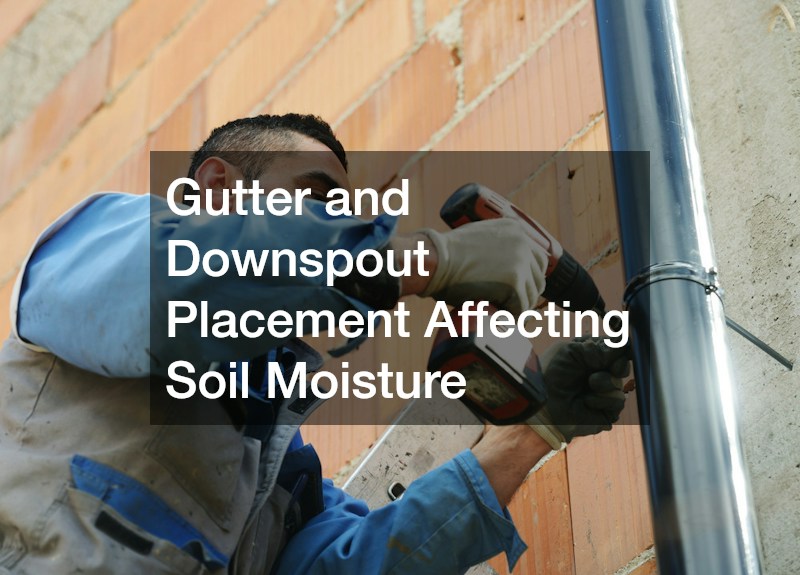
Gutters and downspouts are a simple but critical part of managing where rainwater goes once it leaves your roof. If downspouts empty directly next to the foundation, they concentrate large volumes of water in one spot, saturating the soil and increasing pressure against basement walls. Extending downspouts several feet away from the house can make a measurable difference in how dry your foundation stays.
Roofing companies frequently point out that gutter systems fail not because of the gutters themselves but because of poor downspout placement or clogged debris. Regular cleaning and proper extension pieces are inexpensive fixes that prevent much larger drainage problems from developing underground.
Foundation Settling and Concrete Slab Leveling Solutions
When soil beneath a slab compacts unevenly or washes away, the concrete above it can sink, leaving noticeable dips in garage floors, patios, or walkways. This settling doesn’t always indicate a catastrophic structural problem, but it does mean the supporting soil has shifted and needs to be addressed. Left untreated, uneven slabs can create tripping hazards and allow water to collect in low spots.
Mudjacking companies specialize in lifting sunken concrete by pumping a stabilizing material beneath the slab to fill voids and restore it to its original level. This process is often faster and less expensive than full slab replacement, making it a practical option for driveways, sidewalks, and garage floors affected by soil settlement. It’s a good example of how a visible surface problem is really a symptom of what’s happening in the ground below.
Structural Repairs Involving Doors, Windows, and Decking

As a foundation shifts, the effects often show up first in doors and windows that no longer open or close smoothly. Frames can twist slightly out of square, and homeowners sometimes call a window replacement contractor assuming the windows themselves are defective when the real issue is foundation movement. Garage doors are especially sensitive to this kind of shift, since their tracks require precise alignment to function correctly.
Exterior decks and porches attached to the house can also reveal settlement issues, particularly if the ledger board has begun separating from the home’s frame or the footings have shifted unevenly. These signs are worth documenting with photos over time, since gradual changes are easier to diagnose than sudden ones. Addressing the root soil issue first prevents repeated repairs to doors, windows, and decking that will keep recurring otherwise.
Renovation and Remediation Involving Professional Contractors
Once soil and drainage problems are identified, fixing them sometimes requires coordinating several types of specialists depending on the severity of the damage. For major regrading or removal of damaged structures, demolition contractors may need to clear the way before new drainage systems or foundations can be installed properly. This kind of work is typically necessary when soil erosion has compromised a structure beyond simple patch repairs.
It’s also worth checking indoor systems that can be affected indirectly, since excess humidity from soil moisture sometimes strains HVAC equipment. Local heating companies can inspect ductwork and furnaces for moisture damage if a crawl space has been consistently damp for an extended period. Taking a whole-house approach ensures that fixing one problem doesn’t leave related issues unaddressed.
Soil and drainage problems rarely stay contained to one area of the house, which is why addressing them early and thoroughly matters so much. Start by observing patterns around your home, from grading and gutter placement to cracks that appear seasonally, and keep notes on what you see. When something seems beyond a simple fix, bringing in the right professional for that specific system will save time and prevent small issues from becoming expensive structural repairs.