
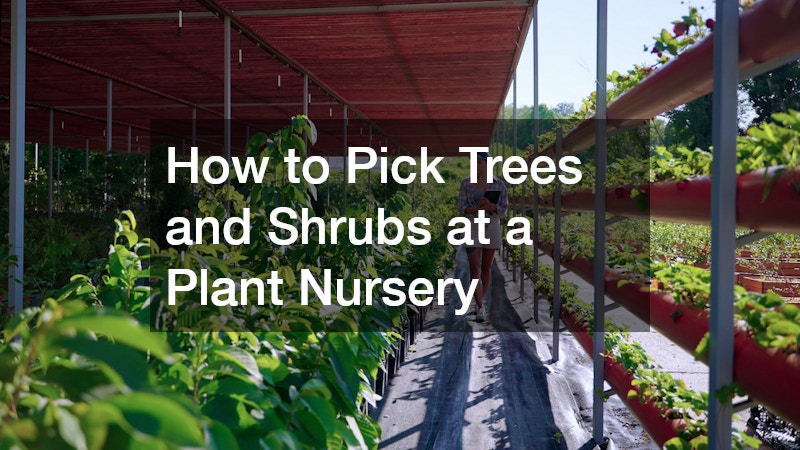
Selecting the right trees and shrubs for your garden or landscape can transform your outdoor space, adding beauty, shade, and value. Visiting a plant nursery is the first step, but choosing the right plants requires careful planning and knowledge. Understanding your local environment, assessing space, and ensuring plant health are essential considerations. By following practical guidance, you can make informed decisions and enjoy thriving plants for years to come.
What Factors Should You Consider Before Buying Trees and Shrubs?
One of the most important steps before purchasing trees or shrubs is evaluating your local climate and soil conditions. Some plants thrive in hot, dry environments, while others require cooler temperatures and consistent moisture.
Soil type also plays a significant role in plant health—sandy soil drains quickly, while clay soil retains water. At a tree nursery, staff can often provide guidance on which species are best suited for your area, helping you avoid costly mistakes and ensuring long-term success.
Trees and shrubs vary widely in size and growth patterns. Before selecting a plant, consider the available space in your garden, including overhead clearance, proximity to buildings, and distance from other plants. Some trees grow quickly and can reach heights of 50 feet or more, while others remain compact. Shrubs may spread too wide and need regular pruning. Understanding growth requirements ensures your landscape remains balanced, functional, and visually appealing.
Decide what role each plant will play in your garden. Are you looking for privacy, shade, or ornamental value? Do you want flowering shrubs, evergreen trees, or fruit-bearing varieties? Your aesthetic preferences should guide your selection, but practical needs must also be considered. A visit to a reputable tree nursery allows you to see different options and discuss design ideas with knowledgeable staff, making it easier to find plants that match both style and function.
How Do You Ensure the Quality and Health of Plants at the Nursery?
Healthy leaves and branches are indicators of a plant’s overall vitality. Look for vibrant, uniform foliage without discoloration or holes. Avoid plants with drooping or brittle branches, as these may signal poor health. A careful inspection ensures you bring home plants that are ready to thrive in your garden.
Plants at a tree nursery can sometimes harbor pests or diseases that may spread to your garden. Look for signs such as unusual spots, sticky residue, webbing, or chewed leaves. Avoid purchasing plants showing symptoms of fungal infections or insect infestations. Nursery staff can also advise on preventative treatments or recommend resistant species, giving your garden a healthier start.
Root health is often overlooked but is critical for successful planting. When possible, gently inspect the root system for firm, white roots without a strong odor. Avoid plants with tangled or circling roots, as they may struggle to establish once planted. Plants with healthy roots adapt more quickly to their new environment and establish strong growth.
What Are Some Tips for Transporting and Planting Your Selections?
Proper transportation is essential to prevent damage to trees and shrubs. Use sturdy containers or wrap roots and foliage to protect them from wind, sun, or bumps during transit. Avoid overloading vehicles, and ensure plants are secure to prevent tipping or crushing. Taking care during transport helps maintain the plant’s health until it reaches its new home.
Preparation is key to successful planting. Clear the area of weeds and debris, and loosen the soil to encourage root growth. For larger trees, dig a hole that is at least twice as wide as the root ball to allow ample space for roots to expand. Incorporating compost or other organic matter improves soil structure and nutrient availability, providing a strong foundation for growth.
Plant trees and shrubs at the proper depth, keeping the root crown at or slightly above ground level. Backfill the hole carefully, avoiding air pockets, and water thoroughly to settle the soil. Adding mulch around the base helps retain moisture, suppress weeds, and regulate soil temperature. Following these techniques ensures your plants adapt quickly and thrive in their new environment.
Choosing trees and shrubs at a plant nursery is more than picking the most attractive options—it requires careful consideration of climate, space, purpose, and plant health. By inspecting foliage, roots, and overall vitality, you can avoid common pitfalls and select plants that will flourish. Proper transport and planting techniques further ensure long-term success. Visiting a reputable tree nursery and making informed decisions allows you to create a vibrant, sustainable garden that enhances your property for years to come.