An introduction to the complexities of pest control, understanding when a DIY approach suffices, and recognizing scenarios where professional intervention is advisable.
What are Common DIY Pest Control Methods?
Identifying Safe and Effective Home Remedies
Many homeowners have turned to natural solutions like vinegar, essential oils, and diatomaceous earth to combat minor pest issues. These remedies can be effective for small infestations but require regular application and an understanding of the target pest.
Utilizing everyday items around the home not only saves money but also reduces the reliance on synthetic chemicals. It’s crucial, however, to ensure these methods pose no risk to pets or young children in the household.
Incorporating preventative measures, such as maintaining cleanliness and sealing entry points, complements these home remedies. When used together, DIY methods can be a practical first step in pest management.
Utilizing Store-Bought Solutions
Over-the-counter pest control products offer a more accessible alternative to professional services, boasting an array of options tailored to specific pests. While these products can deliver quick results, their effectiveness hinges on proper application and adherence to safety guidelines.
These solutions often include insecticides, baits, and traps designed to tackle issues like ant trails or isolated rodent sightings. Despite their convenience, users must remain vigilant about their potential health risks, especially for individuals with chemical sensitivities.
Misuse of store-bought solutions can inadvertently lead to worsening infestations, particularly if pests develop resistance. Therefore, monitoring pest activity and evaluating the ongoing effectiveness of treatments is essential.
When Does DIY Pest Control Become Ineffective?
Signs of a Severe Infestation
An overrun of pests usually manifests in visible damage, such as chewed materials, droppings, or frequent sightings. These indicators suggest that at-home efforts are no longer sufficient and professional help should be sought.
A sudden increase in pest numbers aligns with seasonal changes or alterations in the surrounding ecosystem. Rapid intervention is necessary to prevent widespread damage and mitigate potential health risks.
Ignoring the early signs of an escalating problem can result in significant structural damages and contaminated living spaces. Recognizing these cues is crucial in maintaining control over the situation before it spirals out of hand.
Limitations of Non-Professional Approaches
While DIY methods can handle straightforward cases, they often fall short against pests that thrive on adaptability, such as bedbugs or termites. In these situations, specialized knowledge and equipment are indispensable.
The limitations stem from a lack of comprehensive treatment strategies which professionals are equipped to offer. For example, their advanced diagnostic tools can identify and reach hidden problem areas that DIY efforts might miss.
Attempting to manage persistent issues without expertise can become costly and time-consuming, perpetuating the cycle of infestation. Recognizing these limitations signals the time to engage professional pest control services.
What are the Risks of DIY Pest Control?
Toxicity and Health Concerns
Poor handling and improper storage of pest control chemicals elevate the risk of human and pet exposure to harmful substances. Symptoms of exposure may include respiratory problems, skin irritation, or severe allergic reactions.
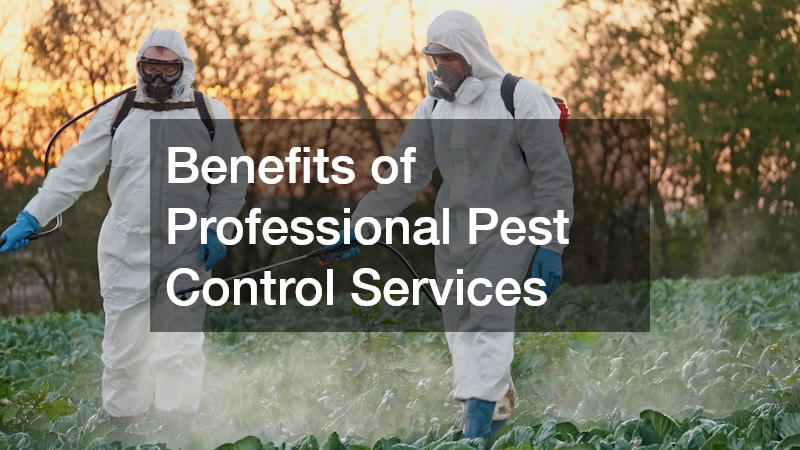
Accidental ingestion or contact with chemical residues poses a significant health threat, reinforcing the need for protective gear and careful handling. Despite the appeal of at-home solutions, they require a responsible approach to mitigate associated risks.
Adhering strictly to product labels and instructions not only aids in achieving desired results but also reduces toxicity hazards. Ensuring adequate ventilation during application further minimizes risk.
Structural and Environmental Impacts
Improper application of DIY pest control formulas can exacerbate damage to a household’s infrastructure. This is particularly true if pests nest in walls or under floors, weakening structural integrity over time.
Environmental concerns also arise when chemicals misused in outdoor settings seep into soil and water resources, impacting local biodiversity. Eco-friendly alternatives, though beneficial, still require careful application to avoid unintended consequences.
Creating a balance between pest management and minimal environmental disruption is essential. DIY methods should be executed with a mindset towards sustainable practices and long-term impacts.
How to Choose a Pest Control Professional?
Evaluating Credentials and Experience
Identifying a competent pest control company involves verifying their licensing and certifications. Such credentials demonstrate adherence to industry standards and proficiencies.
Experience in handling specific pest issues provides additional assurance of effective service delivery. Customer testimonials and reviews can offer insight into service quality and client satisfaction.
A comprehensive assessment considers both the technical capabilities and customer service records of prospective providers. This evaluation process contributes significantly to a confident hiring decision.
Cost Considerations and Guarantees
Understanding the financial aspect is pivotal when selecting a pest control service, as pricing models vary across providers. Requesting detailed quotes allows for comparing costs versus services rendered.
Though cost is a crucial factor, it’s equally important to weigh the inclusion of service guarantees and warranties. Such assurances protect against potential service shortcomings or the recurrence of pest issues.
Ultimately, transparency in pricing paired with comprehensive service guarantees will enhance trust and peace of mind with the chosen pest control company.
What are the Benefits of Professional Pest Control Services?
Efficiency and Long-term Solutions
Professionals leverage their expertise to tailor pest management plans that address immediate concerns and prevent future infestations. This strategic approach yields sustainable outcomes and recoups the initial investment in service.
Their systematic processes and precision in execution expedite resolution times, minimizing disruption to daily life. These benefits illustrate the incomparable value of professional over DIY remedies.
Rather than facing the high stakes of ineffective treatments, investing in professional services ensures effective pest control and prolonged home safety.