
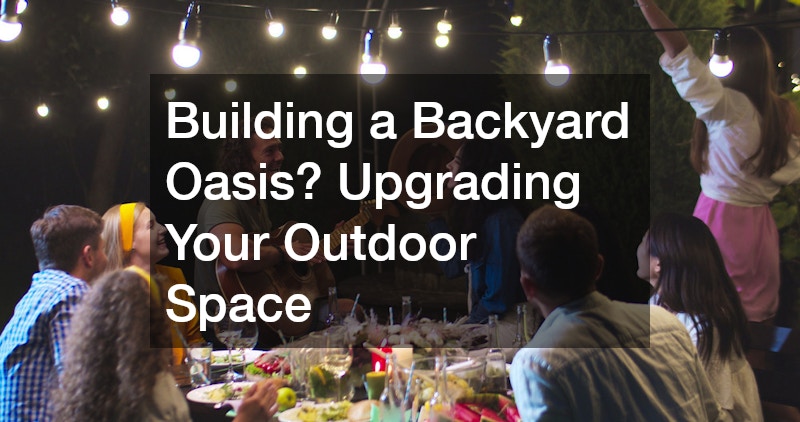
Your backyard has the potential to be one of the most valuable and enjoyable parts of your home. Yet for many homeowners, it remains underused—an open patch of grass, a weathered patio, or a space with no real direction. A well-planned backyard renovation can transform that unused square footage into an outdoor living room, dining area, private retreat, or entertainment hub. Beyond lifestyle improvements, thoughtful upgrades also increase property value and curb appeal.
Successful landscaping and backyard renovations require more than picking attractive plants or installing a patio. They demand strategic planning, structural foresight, drainage management, and long-term maintenance considerations. In this comprehensive guide, you’ll learn how to approach your renovation step by step, make informed decisions, and create an outdoor space that looks beautiful and functions seamlessly for years to come.
Start With a Master Plan Before You Break Ground
One of the most common and significant errors that homeowners tend to make when embarking on backyard renovations is diving into projects without having a cohesive, comprehensive plan. This often results in a disjointed approach: a patio might be installed during one year, while garden beds are added in a subsequent year, and a structure might be built at an even later time. Such a piecemeal method frequently leads to awkward layouts that do not flow well, poor drainage problems that can cause water pooling, and even necessitates unnecessary demolition of previous work in order to progress with new additions. The cornerstone of a successful backyard transformation is beginning with a unified, clear vision that gracefully ties all elements together.
Engaging in professional landscape design can fundamentally transform how you conceptualize and evaluate the functionality of your outdoor space before any physical construction takes place. This approach thoughtfully considers a wide range of practical factors including the patterns of sunlight and shade that play across your yard at different times of day, the types of soil conditions present which influence plant selection, the natural slope of your land that affects drainage, and the overarching architectural style of your home to ensure a harmonious aesthetic. Instead of looking at your backyard as an undifferentiated open space, this process encourages you to divide it mentally into distinct functional zones. This means contemplating where people will naturally congregate, how they will move through the space, and identifying areas that require privacy, shelter from the elements, or visual separation.
It is crucial to think realistically about how you currently use your yard and how you envision using it after renovations. For instance, if your household frequently entertains guests, ample seating options and clear pathways that encourage easy circulation are essential. Conversely, if your primary goal is to create a serene oasis for personal relaxation, investing in a cozy, shaded lounge area might be a top priority. Families with young children might value a safe, open lawn area for play, while gardening enthusiasts may prioritize plentiful planting beds for cultivating their horticultural interests. Tailoring your space to better serve these needs can significantly enhance your outdoor living experience.
Engaging with a knowledgeable landscaping contractor early in your planning process can be a wise investment, potentially saving you thousands of dollars in future corrections and costly mistakes. These seasoned professionals can quickly identify potential issues such as grading problems that might lead to water runoff complications, drainage concerns that need addressing before they become major hurdles, and any structural requirements that will form the backbone of your outdoor space. Moreover, they assist in prioritizing foundational elements—like installing essential irrigation lines to hydrate your plantings, laying electrical wiring needed for lighting and outdoor appliances, and ensuring efficient drainage systems—before focusing on more surface-level features like patios, pathways, and flower beds.
If your backyard renovation will be executed in phases over an extended period, it is advisable to start with the installation of permanent infrastructure. Completing utilities installation and addressing grading is far more manageable before more visible features such as patios, decks, and planting beds are finalized. By adhering to a master plan, you can ensure that every subsequent improvement builds upon the last, creating a coherent and supportive outdoor environment instead of one plagued by mismatches and retrofit challenges.
Build Structure First: Patios, Walkways, and Permanent Features
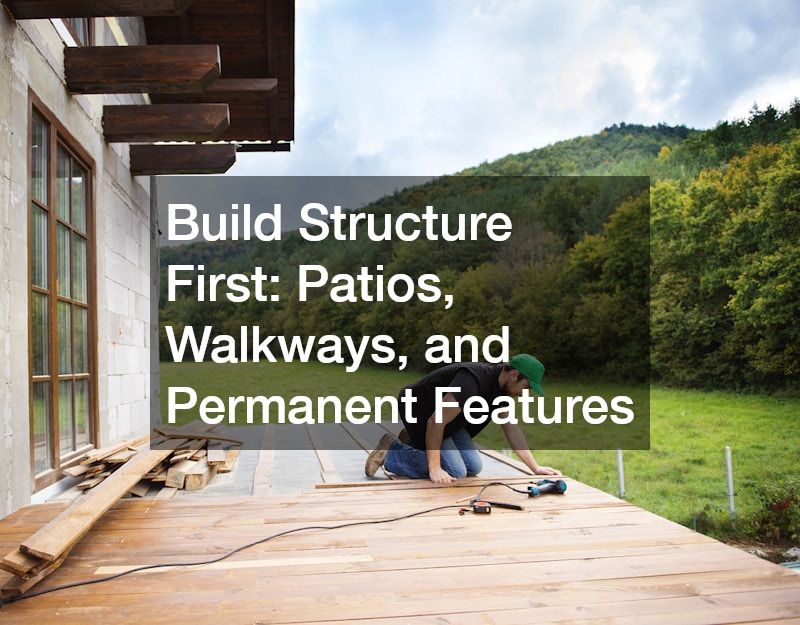
Once your plan is in place, focus on structural components. Hard surfaces define usable space and establish the framework for everything else. Without solid structural elements, even the most beautiful plantings will feel incomplete.
Hiring experienced hardscape installers ensures your patios, walkways, and retaining walls are properly graded and built to last. Improper installation can result in shifting pavers, standing water, and premature cracking. Drainage is particularly important. Water should always move away from your home and gathering areas.
When designing a patio, size matters more than many homeowners realize. Measure your furniture before construction begins. A dining table requires ample clearance for chairs to slide out comfortably, and walking paths should remain unobstructed. Cramped patios limit usability and make the space feel smaller than it is.
Sloped yards require creative structural solutions. Retaining walls and tiered platforms can transform uneven terrain into functional levels. These multi-level designs not only improve accessibility but also add visual depth.
Decks provide another powerful way to extend indoor living space outdoors. Whether constructed from pressure-treated wood or low-maintenance composite materials, a well-built deck creates a seamless transition from your interior to your backyard. Proper ventilation underneath and secure anchoring are essential to prevent moisture buildup and structural damage over time.
By prioritizing structural elements first, you create a strong foundation that supports future upgrades such as lighting, plantings, and outdoor furnishings.
Upgrade Outdoor Living With Shade and Shelter
Shade is often the difference between a backyard that looks appealing and one that feels comfortable. Direct sun exposure can make patios unbearable during peak summer months, especially in warmer climates. Integrating shelter into your renovation dramatically increases usability.
Start by observing how sunlight moves across your yard throughout the day. Southern and western exposures typically require more shade coverage, particularly in the afternoon.
Pergolas offer filtered sunlight and architectural interest, while solid-roof pavilions provide complete protection from sun and rain. Covered patios attached to the home create continuity between indoor and outdoor spaces. For homeowners who want extended seasonal use, an outdoor enclosure provides protection from insects and wind while maintaining visibility and connection to nature.
When designing sheltered areas, incorporate lighting and electrical features during construction. Installing ceiling fans, recessed lights, and outlets from the beginning prevents unsightly retrofits later. Thoughtful shelter design transforms your yard into a comfortable environment for dining, working, or relaxing in nearly any weather.
Make Water Features and Pools Work for Your Space

Water features add luxury and tranquility to backyard environments, but they require careful consideration. A swimming pool can become a focal point, yet it also introduces maintenance responsibilities and long-term costs.
Before committing to a pool, evaluate the available yard space and how it will affect circulation. A pool should not dominate the entire backyard unless that is your primary goal. There must still be room for seating, pathways, and greenery.
Consulting reputable above ground pool companies may provide a cost-effective alternative to in-ground installations. Above-ground options often require less excavation and can be installed more quickly. However, proper leveling and drainage are essential to prevent structural shifting or water accumulation.
Even smaller water features such as fountains or pondless waterfalls can introduce calming sound and visual interest without the full commitment of a pool. Regardless of scale, integrate water elements thoughtfully into your overall layout to maintain balance and accessibility.
Design With Plants That Thrive, Not Just Impress
Plant selection should prioritize longevity and sustainability over fleeting trends. A well-placed tree can provide shade, privacy, and architectural structure for decades, but improper placement can cause root damage or excessive debris accumulation.
When selecting a tree, consider mature height and spread rather than its size at purchase. Ensure adequate distance from foundations, patios, and underground utilities. Shade trees can significantly reduce cooling costs when positioned strategically.
Layering plant material creates visual depth and year-round appeal. Evergreen shrubs provide structure during winter months, while flowering perennials add seasonal color. Native species often require less maintenance and adapt better to local climate conditions.
Soil health is fundamental to plant success. Conducting a soil test before planting reveals nutrient deficiencies and pH imbalances. Applying fertilizer strategically—rather than excessively—supports healthy root development without encouraging weak, rapid growth.
Thoughtful planting design reduces long-term maintenance and enhances the overall cohesiveness of your backyard renovation.
Prevent Backyard Problems Before They Start
An inviting backyard can quickly become unpleasant if pests take over. Preventative planning reduces the likelihood of infestations and protects your investment.
Eliminating standing water discourages mosquito breeding. Proper drainage, clean gutters, and well-maintained irrigation systems are essential. Dense shrubs should be trimmed away from seating areas to reduce insect harborage.
In larger yards or wooded environments, professional outdoor pest control programs can provide consistent protection. Regular treatments target mosquitoes, ticks, and other nuisances before they multiply.
If infestations persist, partnering with a reliable pest control service ensures targeted solutions. Choose providers that prioritize environmentally responsible treatments and transparent communication. Preventative maintenance is far more effective than reacting to widespread infestations.
Improve Drainage and Protect Your Investment

Drainage issues are one of the most common and costly backyard renovation mistakes. Water pooling near foundations or patios can undermine structural integrity and damage plantings.
Signs of drainage problems include soggy lawn areas, erosion along slopes, and water flowing toward the home during storms. Addressing these issues before installing hardscapes prevents future repairs.
Solutions may involve regrading portions of the yard, installing French drains, or directing downspouts away from gathering spaces. Proper drainage protects both structural elements and landscaping investments.
Add Lighting for Safety and Atmosphere
Outdoor lighting transforms a backyard after sunset. It enhances safety, improves visibility, and adds ambiance.
A layered approach works best. Pathway lighting guides guests safely through the yard, while accent lighting highlights architectural features and mature trees. Task lighting near cooking areas ensures functionality, and soft string lights create warmth and charm.
Professional installation ensures consistent performance and weather resistance. Well-planned lighting extends the usability of your backyard well into the evening hours.
Budgeting Your Backyard Renovation Realistically
Budgeting is the crucial step where the grand visions for your backyard meet the real-world constraints of finance. To navigate this process effectively, it can be incredibly beneficial to categorize your renovation into distinct segments. Consider breaking it down into structural work, utilities, plantings, and furnishings. This categorization not only helps in organizing the project but also provides a clear picture of where funds need to be allocated. Within this framework, it is prudent to set aside a contingency fund, which acts as a financial safety net for unforeseen complications. Such issues might arise unexpectedly in forms like the need for soil correction to ensure proper planting or extensive drainage repairs to prevent waterlogging, which can damage your investment in the long term.
Create a Long-Term Maintenance Plan That Protects Your Investment

A beautifully renovated backyard requires ongoing care. Seasonal inspections help identify shifting pavers, drainage blockages, or plant health issues early.
Spring is ideal for refreshing mulch and inspecting structures. Summer demands irrigation monitoring and pruning. Fall requires debris cleanup and winter preparation. Consistent maintenance extends the life of your investment and preserves its appearance.
Professional inspections every year or two add an extra layer of protection, ensuring small issues never escalate into major repairs.
Landscaping and backyard renovations offer an opportunity to redefine how you experience your home. With careful planning, durable structural elements, sustainable plant choices, and consistent maintenance, your outdoor space can become an extension of your interior living environment.
By focusing on function as much as beauty and addressing infrastructure before aesthetics, you create a backyard that serves your lifestyle for years to come. Thoughtful design, smart budgeting, and proactive care transform ordinary yards into exceptional retreats that enhance both property value and everyday enjoyment. If you have any questions, contact your local landscaper.