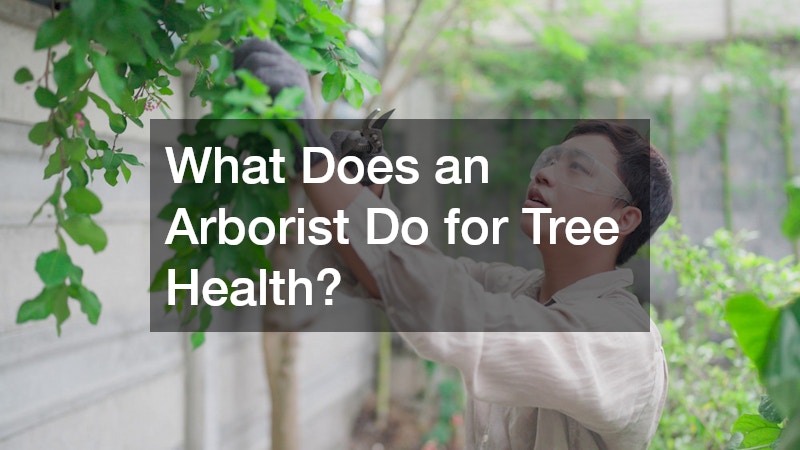
Arborists are essential professionals dedicated to the care and maintenance of trees, contributing significantly to their health and ecological value. With their specialized training, they ensure trees not only survive but thrive in various environments. Understanding the critical role of arborists can help property owners appreciate the complexity involved in maintaining tree health.
How Do Arborists Diagnose Tree Problems?
Arborists perform detailed visual inspections to assess the health of a tree, identifying signs of stress, damage, or disease. These inspections are crucial as visual cues can reveal much about the tree’s overall condition, such as wilting leaves or unusual bark patterns. A thorough visual assessment helps in early problem detection, allowing for timely intervention.
Visual inspections often involve observing the tree’s canopy, trunk, and root system, analyzing each for potential problems. Arborists are trained to recognize subtle signs that might go unnoticed, combining their observations with knowledge of tree species and their respective growth patterns. The fact that trees can exhibit early distress signals guides arborists in their diagnostic approach.
Soil Analysis
Soil analysis is a crucial technique arborists use to detect underlying issues that could impact tree health. Analyzing soil composition and nutrient levels enables arborists to understand the environment in which a tree is growing. This process can reveal deficiencies or imbalances that might necessitate specific fertilization or soil amendment strategies.
Arborists might collect soil samples for laboratory analysis to obtain a detailed composition breakdown. Knowledge about the soil’s pH levels, texture, and organic matter content allows arborists to suggest improvements or treatments. Understanding how soil conditions directly affect root health is a cornerstone of arboricultural practice.
Pest and Disease Identification
Arborists are adept at identifying and classifying pests and diseases that threaten trees. Their role involves monitoring for infestations or symptoms that could indicate microbial or fungal infections. Early detection is crucial in managing these threats before they can cause significant damage.
Utilizing a combination of signs like leaf discoloration, holes in bark, or the presence of certain insects, arborists can diagnose pest issues effectively. They apply knowledge of pest life cycles and disease progression to predict potential outbreaks and plan appropriate responses. Understanding pests’ ecological roles influences decisions on whether intervention is necessary or if a natural balance will prevent harm.
What Techniques Do Arborists Use to Maintain Tree Health?
Pruning and trimming are foundational techniques used by arborists to maintain tree health and aesthetics. These practices involve removing dead, diseased, or overgrown branches to promote better growth and improve structural integrity. Pruning techniques vary, with considerations for timing, branch type, and specific tree species.
Regular pruning helps eliminate potential hazards by preventing the risk of falling branches. It allows sunlight and air to penetrate through the canopy, reducing the risk of fungal diseases. Arborists often employ formative pruning on young trees to guide their growth, ensuring a strong and aesthetically pleasing structure.
Fertilization Practices
Fertilization is a crucial practice employed by arborists to ensure trees receive essential nutrients for optimal growth. Different fertilization methods address specific deficiencies or promote general tree health. Arborists select appropriate formulations based on a tree’s species, age, and soil conditions.
The precise application of fertilizers helps rectify nutrient imbalances that might otherwise impede tree growth. Slow-release fertilizers are often used, providing sustained nourishment over time. Arborists might adjust fertilization schedules seasonally, aligning with growth cycles to maximize absorption and benefit.
Support and Bracing
Implementing support and bracing techniques is part of arboriculture aimed at stabilizing trees at risk. These methods provide physical reinforcement to trees, particularly those with structural weaknesses or exposed to high winds. Bracing involves installing cables or rods to support branches and reduce the risk of failure.
Arborists evaluate each tree’s needs before recommending specific bracing solutions to prevent potential hazards. Such support mechanisms are typically temporary and monitored until the tree can regain its strength naturally. They ensure the safety of both the tree and the surrounding property or individuals.
When Should You Consult an Arborist?
Recognizing signs of tree distress is essential in determining when to seek professional arborist consultation. Symptoms can include wilting leaves, unusual leaf drop, or visible damage to the tree’s bark or branches. Addressing these signs early can prevent further deterioration and more costly treatments.
Consulting an arborist at the first indication of distress allows for a comprehensive assessment and timely interventions. Their expertise enables them to pinpoint underlying issues intrinsic to the health decline. Acting promptly upon noticing distress signals can sustain a tree’s longevity and preserve its ecological role in the environment.
Proactive engagement with arborists can distinguish between a temporary, mild condition and a serious problem that mandates extensive treatment. By fostering early detection and response, arborists provide vital services that prevent escalations in tree health problems. Their intervention can thus secure the continued vitality of trees within diverse settings.
Regular Maintenance Schedules
Establishing regular maintenance schedules with an arborist supports the ongoing health and stability of trees. These schedules typically involve routine inspections, pruning, and necessary soil or pest management treatments. Tailoring maintenance plans to individual trees ensures their unique needs are consistently met.
Regularly maintained trees experience fewer health problems and often enjoy increased longevity. Scheduled arborist visits afford opportunities for preventative care, minimizing the risk of sudden declines or unexpected damage. The emphasis on consistent upkeep reinforces a proactive approach to potential challenges.
Arborists play a pivotal role in promoting sustainable tree health and management, ensuring the survival of trees amid diverse environmental challenges. Their expertise in diagnosis, treatment, and maintenance underscores the complexity involved in fostering tree vitality. By engaging with arborists, property owners can enjoy the ecological and aesthetic benefits trees offer while safeguarding their health and longevity. Through care practices rooted in scientific understanding and practical application, arborists contribute fundamentally to ecological conservation and human well-being.