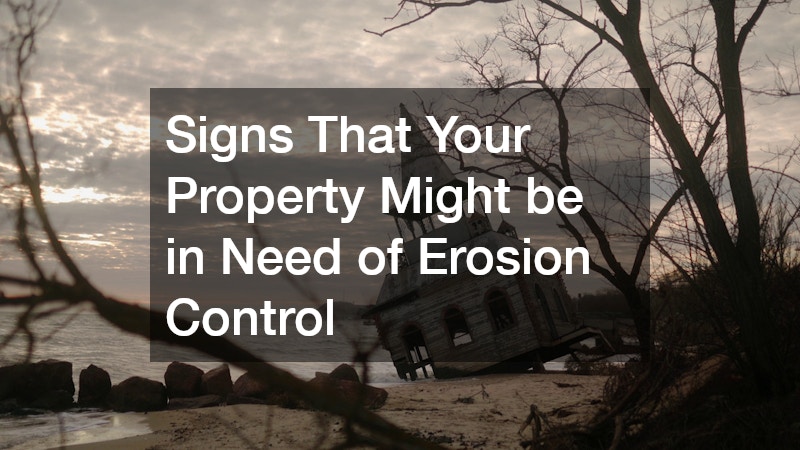
Erosion control is a crucial aspect of maintaining the integrity of your property. One of the first signs that erosion might be affecting your land is noticeable soil loss. Over time, water, wind, and human activities can strip away the topsoil, leading to barren patches of land.
This soil loss is often most visible on slopes, where gravity aids in the movement of soil particles. As soil continues to erode, it deprives the land of nutrients, impacting plant growth and causing long-term damage.
Beyond immediate appearances, soil loss can have significant implications for the ecosystem. With the erosion of nutrient-rich topsoil, plants struggle to establish roots, leading to reduced biodiversity and increased vulnerability to further erosion. Soil loss can also result in increased runoff, as the land’s capacity to absorb water is diminished. This increased runoff can lead to flooding, which can cause additional damage to both the landscape and any structures on the property. As such, observing soil loss should prompt immediate consideration of erosion control methods.
Effective erosion control strategies are essential in combating soil loss and its broader environmental impacts. Techniques such as planting ground cover, installing terraces, or using erosion control blankets can mitigate erosion’s effects. These methods stabilize the soil and reduce the velocity of water flow, significantly decreasing the potential for further erosion. Observing soil loss and implementing control measures not only preserves your property but also enhances its ecological resilience. Thus, understanding and responding to soil loss is a critical aspect of property management.
Visible Changes in Landscape Topography
Another clear indicator that erosion control might be needed is visible changes in the landscape’s topography. Over time, erosion can alter the natural contours of the land, creating gullies, dips, and unexpected slopes. These changes not only affect the aesthetic value of the property but can also pose risks to structural stability. For instance, when erosion undermines the foundation of a building, it can lead to cracks and eventually compromise the structure’s integrity. Addressing these changes quickly is vital to prevent further degradation.
Topographical changes due to erosion are often gradual, making them harder to detect in their early stages. Property owners need to be vigilant and monitor the landscape regularly, noting any deviations from the original land structure. Often, the accumulation of water in unexpected areas after heavy rainfalls can suggest that the land’s natural drainage pattern has been altered. This redirection of water flow exacerbates erosion, as it concentrates water’s erosive power in specific areas. Early detection and intervention are key to preventing major issues.
Implementing erosion control can restore or preserve the original landscape, preventing unwanted changes in topography. Techniques such as regrading the land, constructing retaining walls, and installing proper drainage systems are effective in managing these changes. While these measures require an upfront investment, they are crucial for maintaining property value and avoiding expensive repairs in the future. Proactively managing topographical changes through erosion control is an investment in the longevity and health of the property.
Deterioration of Water Quality
Erosion control also plays a vital role in maintaining water quality on and around your property. When soil particles are dislodged by erosion, they can easily be carried into nearby water bodies, leading to sedimentation. This process clouds water, harming aquatic life and disrupting ecosystems. Increased sediment in water bodies can also clog waterways, affecting drainage and increasing the risk of flooding. Over time, the accumulation of this sediment can lead to changes in watercourse paths, potentially affecting properties downstream.
Beyond sedimentation, erosion can transport not only soil but also fertilizers and pesticides into water bodies. This influx of chemicals can lead to nutrient pollution, promoting algae blooms that deplete oxygen levels in the water and harm aquatic organisms. Erosion thus has far-reaching impacts on water quality, making insights into erosion control crucial for environmental stewardship. Property owners who notice murky water or algae blooms should consider the possibility of soil erosion as the underlying cause.
Implementing strategies for erosion control can significantly mitigate these effects. Creating buffer zones with vegetation along waterways can help filter out sediment and capture pollutants before they reach the water. Other measures, such as building sediment basins or using silt fences, can also help reduce sedimentation. Ultimately, addressing erosion is essential for protecting water quality, supporting ecological health, and ensuring compliance with environmental regulations. Property owners should prioritize erosion control to prevent these adverse environmental consequences.